Obesity: Bug or Feature?

Of course, all of our children are bound to belong to some category or other — quiet or loud; emotional or stoic; wanderer or stay-at-home; academic or athletic. As they grow, they will expand into even more categories: married or single; white-collar or blue-collar; traveler or stay-at-home, and so on.

All else aside, an obese adult is surely one category that no one wants their child to grow into. This is why we work so hard to help our kids, and everybody’s kids, if we can, to avoid being overweight. Most people in that group seem to get kind of stuck in that role. It is a tough category to grow out of.

What parent wants to see their child insulted by some nobody who says, “You’re so fat, what are you gonna be when you grow up? A stand-up comedian?” That cruel person has a point, however rude and hurtful it may be. Statistically, among the professional funnyperson demographic, extremely hefty people have been over-represented.

Obese actor John Belushi

John Belushi used heavy drugs, heavily, which no doubt contributed more than anything else to the physically ramshackle condition he was in when he died at age 33. And there seems to be little doubt that an overdose killed him. But he was also extremely and unapologetically overweight.

For OKMagazine.com, an uncredited author wrote that throughout life, Belushi had been chronically stressed, and that had contributed to his drug addiction and also led to an eating disorder. His appetite was a topic of discussion in his circle, and one biographer said,

John had a huge appetite. The way he physically ate food was larger than life. He would stuff himself. He could not eat enough food.

All this earned Belushi a 24-page autopsy report after his death at “only 222 pounds.” Later, forensic pathologist Dr. Michael Hunter reported that obesity had done massive damage by stressing the star’s heart, causing hypertension and a mortal risk. Psychologist Dr. Linda Papadopolous informed the public that an emotionally disturbed person will binge-eat as a coping mechanism, adding, “And this certainly would have applied to John.”

As if drug addiction, massive overweight, early death, and wasting a prodigious talent were not enough already enough of a legacy, Belushi unintentionally left behind a loose end. Years later, a significant problem landed on people who had only wanted to honor him. These were creative artists who intended to commemorate his life and work in a documentary film.

More than 15 years ago, actor Emile Hirsch intended to play the lead in a Belushi biopic. The funding to start work had not materialized, and no contract had been signed. Yet the director told Hirsch to start putting on the necessary weight, then production would commence.

Hirsch later told journalist Samantha Bergeson,

There’s all kinds of tricks and transformations. Ultimately you have to get the spirit of him first, the most important thing. It’s kind of annoying though because people are automatically so obsessed with the weight. I’d be the biggest sucker in the known universe to go and, like, gain 100 pounds.

Whatever artistic and commercial advantages he might gain from making the film, the idea of wrecking his body for such an uncertain outcome was untenable. The actor went on to relate how he had confided to people that, instead, the whole project had been reconceptualized. The movie would feature a thin Belushi, so actually he intended to not gain, but to lose weight in preparation for the role. In other words, at least he got some fun out of messing with people’s heads.

Your responses and feedback are welcome!

Source: “Overweight & Out Of Control! What Caused John Belushi’s Shocking Death?,” undated
Source: “Emile Hirsch Says John Belushi Biopic Director Was ‘Stupid’ for Asking Him to ‘Gain 100 Pounds’ Before the Film Was Greenlit,” IMDb.com, 09/20/24
Image by OK Magazine

We Are All From Ipanema

The previous post referenced the Girl from Ipanema, who was, by the way, a real person. At the tender age of 17, Helô Pinheiro inspired the world-famous song. Between the days of her international fame and the present, things have changed a lot, as suggested by the title of a New York Times article, “Brazil, Land of the Thong, Embraces Its Heavier Self.” It was published almost four years ago, so matters could only have gotten worse since then. In fact,

In 2020, nearly 29 percent of Brazilians older than 20 were obese, up from roughly 15 percent in 2000, one of the largest increases of any country over that period … Among the 10 most populous nations, only Mexico, the United States and Russia had higher obesity rates, ranging between 31 percent and 37 percent, according to the data.

Journalist Jack Nicas took a penetrating look at the Brazilian city of Recife, which had been dubbed one of the fattest in the country. He spoke with Karla Rezende, an activist who worked for the passage of laws designed to make the lives of overweight and obese people a bit less traumatic.

When Rezende discovered that passenger plane seatbelts did not fit her, she went the political route and worked for laws that would cause that situation to be rectified. Reforms have included practical measures like the installation of larger desks in schools, as well as the requirement to make teachers conscious of weight-based discrimination so they can pass the knowledge on to students.

Fresh vocabulary

The official language of Brazil is Portuguese, which now contains the word “gordofobia,” meaning discrimination based on weight. Gordofobia is vigorously discussed on local television, and millions of citizens fill the social media with discussions of it. Here are two of the shocking subjects.

Brazil’s biggest pop star, Anitta, has made waves by including obese women in her music videos, and sometimes by not even editing out her own cellulite. And after the Brazilian country-music star Marília Mendonça died in a plane crash last year, some journalists and commentators who mentioned her weight in that context were widely criticized.

Making a federal case of it

While in some countries, overweight acceptance just quietly advances, in Brazil, it became a major focus of the media, and a topic of fierce debate on the city, state, and national levels. In 2015, federal law classified overweight as a form of disability that needed to be protected by such measures as wide seats on public transportation and in soccer stadiums. The state of Rondônia legislated a guarantee that overweight people should be entitled to dignified treatment and untrammeled access to all places, along with being shielded from gordofobia.

Three states adopted a day, September 10, when overweight people’s rights are promoted. This part is not written, but it is a fundamental human right: not to be expected to have a perfect body with perfect curves. Another unspoken but existing right is not to be coerced by public opinion into submitting to bariatric surgery because other people believe you take up too much space.

Longtime Childhood Obesity News readers will remember Rebecca M. Puhl, Ph.D., whose area of expertise is the treatment of obesity by media outlets. This scholar has taken quite an interest in how Brazil is handling the matter. Nicas mentions an example:

[A] judge ordered a comedian to pay a $1,000 fine for making jokes about an obese Brazilian dancer’s weight. “The defendant exuded unequivocal gordofobia,” the judge said in the ruling. Freedom of speech is allowed, the judge added, “but it’s the state’s duty to protect minorities.”

Dr. Puhl remarks that most other countries, including the USA, are lagging behind Brazil in making sense out of all this. We may not want to go as far as punishing comedians for what they say on a nightclub stage, but there are plenty of other areas where we could stand some improvement. In 1976, Michigan was way ahead of the crowd in passing a law that “formally protected people from weight discrimination,” but other states have not followed the example.

Meanwhile, Brazil has continued to enact statutes meant to discourage gordofobia. Still, residents of that country say that despite a decade of progress, the sought-after improvement has proceeded at a glacial pace.

What has happened much more quickly is the increasing poundage of almost everyone in almost every country on the planet.

Your responses and feedback are welcome!

Source: “Brazil, Land of the Thong, Embraces Its Heavier Self,” NYTimes.com, 02/27/22
Image by guertzen/Pixabay

The Fat Tax in Brazil

What 1960s worldwide hit went on to become the (probably) second-most recorded pop song in history? That’s right, “The Girl From Ipanema,” written by Vinícius de Moraes and Antônio Carlos Jobim:

Tall and tan and young and lovely
The girl from Ipanema goes walking
And when she passes
Each one she passes goes “Ah!”

Additionally, the cool swing and sway of her walk reminds onlookers of a dance called the samba… But what is the use of reminiscing about a sight that has become increasingly rare in Ipanema or anywhere else in Brazil? Sadly, the nation that The New York Times journalist Jack Nicas called “a country known for beach bodies” has changed a lot in the intervening six decades.

Brief digression

Obviously, no one here advocates that overweight and obese people should be mistreated in any way, whether at school, at work, or in the wild. On the other hand, it is a pretty good bet that most obese people would prefer not to be in that situation, which can be uncomfortable in many ways: physically, emotionally, and — as we have especially been looking these days — financially.

One current trend is that all sorts of people pay big bucks in efforts to counteract the unpleasant effects of obesity, their own and others’. But it does not have to be like this. If we could somehow manage to be honest with ourselves and tolerant of others, those two practices would go a long way toward figuring out how to turn this thing around.

Meanwhile, back in Brazil

Still, some might argue that there is such a thing as too much tolerance. For example, in Brazil, obese people are favored with “preferential seats on subways, priority at places like banks and, in some cases, protection from discrimination.”

Note: Many would say that “protection from discrimination” belongs on a different list, because everyone should be protected from discrimination at all times. Everyone has enough problems already, and nobody needs that nonsense.

At any rate, Nicas has described how new laws have “made Brazil the world leader in enshrining protections for the overweight” while an “accelerating movement” has caused the country to become “one of the world’s most accommodating places for people with obesity.” Nicas writes:

[T]he schools are buying bigger desks, the hospitals are purchasing larger beds and M.R.I. machines, and the historic theater downtown is offering wider seats.

Many citizens resent all this, reasoning that ultimately, sooner or later, one way or another, every customer pays for these seats and desks and beds and machines. Many people favor tolerance in theory but can’t help thinking that perhaps, in practice, there has been a bit too much of it. As Nicas reported in February, “Over the past 20 years, Brazil’s obesity rate has doubled to more than one in four adults.”

Each day when she walks to the sea…

Ipanema is an area of Rio de Janeiro that features a beach. More than a thousand miles north is Recife, another coastal metropolis with great beaches and a population of over four million, and the reputation, Nicas says, of being “one of the fattest cities in Brazil.” He speaks of a public school there that mandated classes on weight prejudice for teachers and students alike. Since the days of the Girl, this whole South American nation has gained weight.

(To be continued…)

Your responses and feedback are welcome!

Source: “Brazil, Land of the Thong, Embraces Its Heavier Self,” NYTimes.com. 02/27/22
Image by phadoca/Pixabay

How AI Could Help Kids Develop Healthier Eating Habits by Tracking Bite Rate

On this blog, we’ve been looking for a while at how digital technology can help reduce obesity and improve pediatric care. Perhaps unsurprisingly, AI is one of the tech tools playing in the field.

In a collaborative project between Penn State’s Departments of Nutritional Sciences and Human Development and Family Studies, researchers developed ByteTrack, an AI model designed to detect how often a child takes a bite during a meal. The pilot study, published in Frontiers in Nutrition, marks a promising step forward in using technology to support children’s health. Let’s take a quick look.

The link between eating speed and childhood obesity

How quickly a child eats might be more important than parents realize. According to researchers, children who take faster bites during meals are at greater risk of developing obesity. The speed at which a child eats — especially when paired with larger bite sizes — has been shown to lead to higher calorie intake and weight gain over time.

Alaina Pearce, Ph.D., research data management librarian at Penn State and co-author of the study, said:

Bite rate is often the target behavior for interventions aimed at slowing eating rate… It’s a stable characteristic of children’s eating style that can be modified to reduce intake and ultimately lower obesity risk.

Why studying bite rate has been so difficult

While the link between bite rate and obesity is well-established, studying it has been a major challenge. Traditionally, researchers had to watch hours of video footage and manually count each bite, which was a time-consuming and expensive process. This limitation meant most studies were small and conducted in tightly controlled lab settings.

To expand research beyond the lab, Penn State scientists set out to find a more efficient way to measure bite rate, and turned to artificial intelligence for help.

ByteTrack: an AI-powered tool for measuring bite rate

Lead author and doctoral candidate Yashaswini Bhat partnered with Dr. Timothy Brick, associate professor of human development and family studies, to design a system capable of identifying children’s faces in videos, even when multiple people were present, and detecting each bite.

Using over 1,400 minutes of video from Penn State’s Food and Brain Study, which included 94 children aged 7 to 9, the researchers trained and tested the AI to recognize when a child took a bite. They then compared the AI’s results with those of human observers.

Promising results, but room to grow in smart eating tech

The system performed remarkably well in identifying children’s faces, achieving 97% accuracy compared to human evaluators. When it came to detecting bites, it reached about 70% of human accuracy, a strong start for such a complex task.

The AI struggled most when children’s faces were partially blocked or when they played with their food. Bhat said:

Chewing on a spoon or playing with food can look like a bite to the AI… These situations made it harder for the system to tell the difference.

Despite these challenges, the research team views ByteTrack as a successful proof of concept. With more data and refinement, the system could soon learn to better distinguish between bites, sips, and other actions.

Bhat said:

Our ultimate goal is to create a robust tool that can work in real-world environments… One day, we might have a smartphone app that gently alerts children when they’re eating too fast — helping them form healthier habits that last a lifetime.

Mobile apps are not a stranger to healthcare

As we’ve covered before:

Studies have shown their effectiveness in promoting weight loss and healthy behaviors, both as standalone tools and in combination with traditional treatments. The apps the authors mention include MetaWell, OBEST, and MINISTOP 2.0. Let’s not forget Dr. Pretlow-designed W8 Loss 2 Go and BrainWeighve either.

The ability to rechannel displacement into less harmless activities rather than succumbing to urges is behind the behavior modification app, BrainWeighve, currently ramping up for a trial through the University of California Los Angeles (UCLA). The trial focuses on weight loss for obese teens using a self-directed, physician-supervised program withdrawing from one problem food at a time.

Your responses and feedback are welcome!

Source: “New AI tool detects bite rate to help prevent childhood obesity,” News-Medical.net, 10/16/25
Source: “AI Counts Kids’ Bites In Fight Against Obesity,” U.S. News & World Report, 10/20/25
Image by RDNE Stock project/Pexels

The Lifelong Price of Obesity

Multitudinous examples illustrate how, ultimately, every sector and group of which our society is composed will ultimately pay the price of obesity one way or another. Before getting into another one of those, here is a generalization.

The victims of it suffer the most, of course. But even people whose personal body weights are healthy will, one way or another, foot the bill that always falls due for the existence of obesity. There are a few essential messages that, for various reasons, need to be discussed repeatedly and by many voices.

What could surpass badness?

An important point is: To blame obese people is not only unfair and ignorant, but it’s worse than bad — it’s useless. If fat-shaming and fat-blaming have not revolutionized the situation in all these years, such a change is unlikely to happen in the future.

As has been discussed here before, what might turn things around is an uprising against corporations that fill up boxes and bags with any old detritus that happens to be lying around the laboratory, rather than with actual, viable food. Of course, we already have that, in a way. Numerous companies and chains specialize in foodstuffs that are scientifically proven to be superior in every way, and some folks pay a lot for them.

Others cannot afford to do that, or rationalize and justify to themselves that they can’t, and either way, the result is the same. The status quo is unfair, but — as many would argue — still preferable to nobody having any choice at all.

Let’s face it

The bottom line is our kids. They grow and get jobs and fall in love, and all that good stuff. Later on, they struggle to support the families that result from those first two milestones. Then, inevitably, one way or another, our children and their children will be handed a bill for a portion of obesity’s cost.

An article titled “Obesity is linked to higher rates of bankruptcy, according to a new study,” published not long ago by a website specializing in success, makes some interesting points. The information source was a study of bankruptcy in 3,000 counties in America, which found that the economic costs of obesity are staggeringly enormous and inescapable.

The medical costs are ultimately paid by everyone, regardless of individual weight status. According to the article,

The Center[s] for Disease Control and Prevention (CDC) reports that people who have obesity are at increased risk for many serious diseases and health conditions. This includes high blood pressure, type 2 diabetes, coronary heart disease, stroke, and many types of cancers, to name a few.

Those costs are shared by other insured individuals, patients’ family members, taxpayers, doctors who are pressured into corporate employment rather than private practice, and so on. Here is the technical, financial gist of the matter, as conveyed by economics professor Masanori Kuroki,

A one-percentage-point increase in the obesity rate is associated with a 0.02-0.03 increase (or a 1.0 percent increase) in Chapter 7 bankruptcy rates per 1,000 residents and a 0.02-0.04 increase (or a 3-4 percent increase) in Chapter 13 bankruptcy rates per 1,000 residents.

In addition to the cost of obesity, there is the cost of avoiding obesity, which also fits onto the scale when weighing the overall cost to the public. Childhood Obesity News has previously quoted Dr. Katy Miller, whose words are worth repeating:

We are proposing treatment strategies that are expensive and even in the best circumstances are often unsuccessful. How can we ask someone to diet when we’re not addressing things like poverty, food scarcity and housing instability?

This is true not only of Dr. Miller’s clientele, consisting of teenagers with eating disorders, but of every person in the USA. Furthermore, weight-loss pharmaceuticals will probably not vanquish obesity, and surgery is only suitable and affordable for a small minority of concerned individuals. And the money to pay for treatments of any kind could dry up any day.

Of course, there is the ongoing debate over which is worse: obesity that leads to poverty, or poverty that leads to obesity? The simple answer is that both need to be fixed. So, instead of wasting our breath debating that fine point, we might as well just get on with vanquishing both.

Your responses and feedback are welcome!

Source: “Obesity is linked to higher rates of bankruptcy, according to a new study,” TheLadders.com, 09/13/20
Image by Surprising Media/Pixabay

The Fat Tax at Work

The title of this piece is a two-fer, because it refers to the condition of someone who is inconveniently overweight in the job market and the workplace, but also it describes how obesity stays on the job every minute of every day, always doing its best to cheat a person of the full enjoyment of life in all its aspects.

Evidence that this is a widespread problem is provided in an essay, “The Real Cost of Being Fat.” Author Christian Curet begins with some thoughts about time and how a person tends to become careless, and to underestimate its worth. It does seem that in life, the specifics are negotiable. A person might put the highest value on work, or on personal relationships, or both, and that is a matter of individual preference. The point to keep in mind, however, is that wasted time is something we will never get back. Also, we will regret (sometimes bitterly) its loss.

As a prime example of a time-waster, the author offers, perhaps surprisingly, “excessive leisure,” an intriguing idea that stirs curiosity but is not discussed further in this essay.

Back to business

Meanwhile, he describes how much of his time is wasted by an activity which, while stationary and maybe even relaxing, could by no means be described as leisure. That is sitting in an outpatient clinic with a needle in his arm, receiving infusions to treat Crohn’s disease and ankylosing spondylitis.

To that information, he adds, “Because I’m about 100 lbs overweight, I have to sit in this chair for an extra hour every time because the volume of medicine is based on weight.” A repetitious weekly chore is organizing all the medications for the following seven days. In confessional mode, he writes:

I have to take time each day to deal with my CPAP machine for my sleep apnea. I have to take time to measure my blood sugar because I’m a Type 2 diabetic. I have multiple doctor appointments for these conditions too. You add all that up and I’m losing hours of my life a month because I didn’t take time to take care of myself before.

The great majority of this patient’s health problems are routinely associated with obesity. He admits, as many of us will if we are honest, that in our younger years, we were in fact quite careless, taking on board a plethora of inappropriate foods, and too much of them, as well as ignoring the necessity for frequent and meaningful exercise.

But wait, there’s more

Medical care is not the only cause of monetary outflow. Clothing is a major expense, and a sensitive issue. (See “Fatsploitation is Alive and Well.“) And food? Eating well is more expensive. Only junk food is cheap.

Now, here is an aspect of carrying too much weight that never occurs to most healthy-weight people. With 100 or more extra pounds of body weight, even the most motivated customer can find that the equipment for many health-inducing activities is forbiddingly expensive. A person who wants to get some exercise could be forever discouraged by the price difference between two different kayaks, one of them extra-large.

To finish up, this very fortunate writer credits his wife and kids in a lovely tribute:

I’ve found that if I ask, my family will do most of these things with me. They’ll cook healthy foods with me, join me in exercising (if it’s fun) and will slow down and climb the steep trails with me. I just have to be humble enough to ask and not see it as a burden for them, but as an opportunity. For all of us.

Your responses and feedback are welcome!

Source: “The Real Cost of Being Fat,” Medium.com, 08/21/20
Image by CDD20/Pixabay

Managing Obesity With Long-Term Care

The European Association for the Study of Obesity (EASO) has introduced a new clinical management algorithm that reinforces a key message echoed across the medical community: obesity is a chronic, relapsing disease requiring long-term, sustained care.

Moving away from short-term, weight-focused approaches, the new EASO guidelines present a comprehensive, evidence-based framework centered on personalized, multi-faceted treatment strategies. The algorithm marks a major step forward in how obesity should be addressed across clinical settings — not as a temporary condition, but as a complex disease that demands continuous management, just like diabetes or hypertension.

A comprehensive, individualized approach

At the foundation of EASO’s new model lies a triad of core lifestyle interventions: nutrition, physical activity, and behavioral therapy. While these remain essential, the guidelines acknowledge that lifestyle changes alone are often insufficient for achieving and sustaining meaningful weight loss in many patients.

To close this gap, the algorithm integrates obesity management medications (OMMs) and, where clinically appropriate, metabolic bariatric surgery. The framework encourages healthcare providers to tailor interventions based on each patient’s specific health profile, comorbidities, and response to treatment.

Evidence-based pharmacologic recommendations

The EASO algorithm reviews a spectrum of approved OMMs, including orlistat, naltrexone/bupropion, liraglutide, semaglutide, and tirzepatide. Among these, The GLP-1 receptor agonists semaglutide and tirzepatide are identified as preferred first-line options when substantial weight reduction is required.

Key clinical highlights

Semaglutide is highlighted as a cornerstone therapy for a broad range of patients. It produces over 10% total body weight loss on average and offers proven benefits, including a reduction in all-cause mortality and Type 2 diabetes remission.

Tirzepatide, a dual GIP/GLP-1 receptor agonist, is recommended for patients with liver disease or obstructive sleep apnea, and as a co-first-line option for certain metabolic conditions.

Here are some condition-specific recommendations highlighted in Healthcare Radius:

Cardiovascular disease: Semaglutide was the only recommended OMM due to its proven ability to reduce Major Adverse Cardiovascular Events (MACE).

Heart failure: Both semaglutide and tirzepatide should be considered as first-line treatments.

Knee osteoarthritis: Semaglutide should be considered as the first-line treatment as it reduces pain associated with this condition.

Type 2 diabetes or prediabetes: Semaglutide and tirzepatide are first-choice medications, and liraglutide and naltrexone–bupropion are second-line treatments.

Perhaps the most significant takeaway from the EASO update is its emphasis on continuity of care. Clinical data show that discontinuing pharmacotherapy often results in weight regain, reinforcing the need for ongoing management.

This represents a crucial shift in mindset: Obesity treatment should mirror the long-term care models used for other chronic diseases, combining sustained pharmacologic therapy with lifestyle and behavioral support to improve health outcomes and quality of life.

New evidence: GLP-1 receptor agonists effective for pediatric obesity

While much of the EASO algorithm focuses on adults, emerging research highlights the growing importance of early intervention. A recent meta-analysis published in Pediatric Research by Romariz et al. found that GLP-1 receptor agonists — a class that includes liraglutide and semaglutide — are also effective in managing obesity in children.

Study findings

The meta-analysis included 11 randomized controlled trials with 1,024 participants aged 6-19. Results showed that GLP-1 agonists significantly reduced body weight, BMI, and waist circumference. Importantly, the study demonstrated clinically meaningful reductions in BMI even among children under 12 years old, a critical finding given the limited treatment options for younger patients.

Implications for pediatric care

The European Medicines Agency (EMA) recently recommended authorizing liraglutide for weight loss in children under 12, following a year-long trial in 82 participants showing significant BMI reductions.

The Romariz et al. study provides additional support for this move, confirming that GLP-1 receptor agonists are effective regardless of diabetes status or specific drug used. Early pharmacologic intervention may help improve long-term health outcomes and reduce future cardiovascular risk by addressing obesity before it progresses into adulthood.

A step toward population health improvement

By identifying effective pharmacologic tools for managing obesity across all age groups, these developments have the potential to transform public health. Treating obesity early, especially in children, can dramatically lower the lifetime burden of cardiovascular disease, diabetes, and other obesity-related conditions, ultimately reducing healthcare costs and improving overall quality of life.

Your responses and feedback are welcome!

Source: “EASO releases new obesity care model focused on long-term results,” Healthcare Radius, 10/13/25
Source: “Semaglutide, Tirzepatide Named First-Line Drugs for Obesity,” Medscape, 10/9/25
Source: “Weighing up the options: childhood intervention to tackle obesity,” Nature.com, 10/9/25
Image by Pavel Danilyuk/Pexels

How Can the Federal Government Help?

This current series looks at the costs of obesity to society as a whole, and many readers may experience surprise as instances and examples of harmful influence are revealed. One certainty cannot be repeated too often, and that is the unavoidable fact that childhood obesity affects all children — if not directly, then indirectly.

Our kids, no matter what shape they are in now, may grow into obese adults. Even if they do not personally share that fate, the society they live in for the rest of their lives will certainly be lavishly populated with obese adults. This fact will be reflected in the taxes they pay, as well as in many other aspects of their lives.

Many government departments are concerned about reducing the expenses that society is expected to cover, and in numerous cases, these bureaucracies can actually do something about the conditions that cause those expenses to mount.

As we have seen, adequate hydration is one of the conditions that can go some distance toward alleviating widespread obesity. The National Institutes of Health naturally want to know how workplaces, homes, and schools can be helped to maintain standards that will cause less obesity and less illness, and fewer injuries and thus, less expense to the national budget.

Consequently, that agency paid attention to a publication describing WHPPs, or workplace health promotion programs. Any WHPP that the government comes up with is intended to improve citizens’ lifestyles and consequently their health, and furthermore the prosperity and well-being of the businesses where they earn their salaries.

Every such program ever initiated has been launched with the purpose of promoting physical and mental health. By aiming to promote physical activity, such programs hope to increase workplace productivity and, ultimately, to reduce the number of sick days claimed by the workers. Furthermore, a well-designed WHPP can improve “employee productivity, working energy, and job satisfaction, as well as decrease absenteeism, enhance a sense of community, health behaviors, and overall well-being.”

That is a tall order, but the designers of these programs are quite serious and dedicated to their goals. The hope, always, is that employees who benefit from these well-intentioned programs will speak generously of them to other workers, thus making further adoption of the ideas frictionless.

When someone does not drink enough water, the body is aware of being deprived of something important, and may react by malfunctioning in ways that no employer wants to see — like changes in attitude and consciousness that can lead to expensive mistakes or counter-productive hostility, or even to internal conditions that foster actual physical illness.

The changes in people’s knowledge, attitudes, and expectations may be minor, and yet still exert significant influence on their capabilities and moods, and meaningfully impact the work environment’s overall emotional and cognitive weather. All in all,

Adequate water intake is a low-cost and effectively non-invasive strategy for individual health outcomes… Besides significantly increasing water intake, the intervention improved other health behaviors, thereby benefiting physical and mental health. Hence, promoting water consumption in workplaces till it becomes a habit may benefit the employees.

Your responses and feedback are welcome!

Source: “Effectiveness of a Water Intake Program at the Workplace in Physical and Mental Health Outcomes,” NIH.gov, 2022
Image by daha3131053/Pixabay

Pediatric Obesity Management: Insights From the AAP 2025 Conference

Managing pediatric obesity requires more than just prescribing medication. Experts at the American Academy of Pediatrics (AAP) 2025 National Conference and Exhibition emphasized that successful treatment demands a whole-child approach, such as addressing not only physical health, but also psychological and social factors that shape a child’s well-being.

Key takeaways

  • A whole-child approach is essential, considering physical, psychological and social health.
  • Medication choice depends on patient preference, comorbidities, contraindications, and insurance coverage.
  • Open communication, stigma awareness, and family engagement are critical for long-term treatment success.

Establishing criteria for pharmacologic therapy

According to Ihuoma Eneli, MD, MS, professor of pediatrics at the University of Colorado,

Obesity is defined by a body mass index above the 95th percentile. We always treat obesity as part of a whole-child approach.

This means evaluating not only a child’s physical condition, but also their mental health, environment, and social drivers of health. Shared decision-making between clinicians, patients and families helps determine whether to introduce pharmacologic therapy.

Jaime Moore, M.D., a physician researcher at Children’s Hospital Colorado, added that lifestyle interventions and patient interest should always be considered before moving to medications.

Choosing between medications

Several medications are available, but the best choice depends on the individual child. Dr. Moore highlighted commonly used options: Phentermine, topiramate, liraglutide, semaglutide, and metformin (off-label but frequently used).

Factors that guide selection include:

  • Patient preference: oral vs. injectable, daily vs. weekly dosing
  • Contraindications, such as a kidney stone history or mental health considerations
  • Comorbidities: Children with prediabetes or fatty liver disease may benefit more from GLP-1 receptor agonists due to their effects on hemoglobin A1c and liver enzymes

Addressing barriers to access

Access to medications remains one of the biggest challenges in pediatric obesity care. Dr. Moore emphasized:

We want to use the medications that are easy to access and are inexpensive.

Phentermine, topiramate and metformin are more likely to be covered by Medicaid and commercial insurance. Clinicians can also advocate for policy changes so that insurance coverage keeps pace with evidence-based treatment.

Engaging families and addressing stigma

Treatment conversations with families must be sensitive and inclusive. Dr. Eneli explained that families typically fall into two groups: Those actively asking about medication, and those unfamiliar or hesitant about medication. For both groups, the clinician’s role is to listen, reflect, and present all treatment options, including behavioral strategies, pharmacotherapy, and even bariatric surgery where appropriate.

Stigma also plays a major role in care. Dr. Moore shared the advice of one patient:

When you walk into the room, don’t let my weight be the first thing that you see.

This reminder underscores the importance of reducing bias and treating each child as more than their weight.

Both physicians agreed that more research is needed to understand the long-term safety and effectiveness of pharmacologic therapy for pediatric obesity. But one thing is clear: Effective treatment requires partnership with families, awareness of social context, and a compassionate, stigma-free approach.

Your responses and feedback are welcome!

Source: “Ihuoma Eneli, MD; and Jaime Moore, MD, discuss pediatric obesity management,” Contemporary Pediatrics, 10/2/25
Source: “What’s New in Obesity Management,” presented at the American Academy of Pediatrics 2025 National Conference & Exhibition, 9/26 – 9/30/25
Image by Luis Quintero/Pexels

Overweight Because Impoverished, or Impoverished Because Overweight?

The title poses a trick question, because there is no “either-or” about it. People get fat because they are poor, and also become poor because they are fat. Both propositions are sadly and eternally true. One of the easiest tasks on the planet would be to populate a series of articles with references to reciprocity: specifically, about how overeating (which almost always results in obesity) can have a negative effect on personal and familial food budgets; and how either too much money or too little money can both drive a person toward obesity.

Of course, formal academic papers have been written about these stubborn questions. One such document is “Income and obesity: what is the direction of the relationship?,” which was published in 2018 by two researchers from the Department of Medical Sociology at Germany’s University Medical Center Hamburg-Eppendorf.

The subtitle is, “A systematic review and meta-analysis;” the “meta” designation being appropriate because 21 different studies were consulted, most from institutions in the United States, along with a few from the U.K. and Canada.

As the authors scrutinized the various sources, a pattern was apparent, of lower income being associated with a higher risk of obesity. At the same time, it became clear that “the perspective of a potential reverse causality is often neglected, in which obesity is considered a cause for lower income.” Their intention was to explore the relation between income and obesity by “specifically assessing the importance of social causation and reverse causality.” The materials included 14 studies on causation, along with half as many on reverse causality.

On a superficial level, it is easy to grasp some of the major reasons why poor people tend to become fat. A lot of cheap, fattening food is available, especially in what are called “food deserts,” where people don’t have the transportation opportunities to go to stores where healthier fare is available, cannot afford to pay for memberships to big discount stores, and don’t have access to gyms, and so on.

However…

Yet these researchers suspected, perhaps counter-intuitively, that “Findings suggest that there is more consistent evidence for reverse causality.” This indicated a need to take a closer look at reverse causality processes than had been previously attempted. So why and how, exactly, is obesity likely to lower a person’s income?

In general, a body perceived as too large conveys the impression, whether true or not, that the individual is weak-willed, lazy, and undisciplined. In the labor market, this translates into fewer opportunities to be hired, lower chances of being promoted, and a higher likelihood of being “let go” when staff needs to be reduced.

In the minds of many non-obese people, difficulties are presupposed, and penalties are pre-imposed. Judgment is not reserved until a chair is actually broken, but is arbitrarily rendered, based on suspicion that the person might break the chair.

Obviously, that reverse causality involves a massive amount of social causation. Obese people tend to “drift into lower-income jobs due to labor–market discrimination and public stigmatisation.” This is particularly true for women, who tend to draw much more criticism for being overweight, and who, when carrying excess pounds, find it more difficult to present themselves in public as being worthy of respect for other reasons.

To explain such differences, one of the researchers suggests that…

[…] obese women are confronted with disadvantages that derive from the stigmatisation of fatness, and additionally face higher expectations to perform their gender properly. According to the cultivation theory of the social sciences, there is a stronger idealisation of thin women, which may help to explain why there is a stricter weight penalty for women than for men.

Your responses and feedback are welcome!

Source: “Income and obesity: what is the direction of the relationship? A systematic review and meta-analysis,” NIH.gov, January 2018
Image by Pixabay, used under the Pixabay content license

FAQs and Media Requests: Click here…

Profiles: Kids Struggling with Weight

Profiles: Kids Struggling with Obesity top bottom

The Book

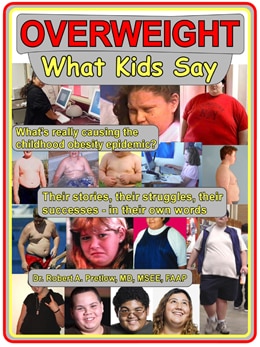
OVERWEIGHT: What Kids Say explores the obesity problem from the often-overlooked perspective of children struggling with being overweight.

About Dr. Robert A. Pretlow

Dr. Robert A. Pretlow is a pediatrician and childhood obesity specialist. He has been researching and spreading awareness on the childhood obesity epidemic in the US for more than a decade.
You can contact Dr. Pretlow at:

Presentations

Dr. Pretlow’s invited presentation at the American Society of Animal Science 2020 Conference
What’s Causing Obesity in Companion Animals and What Can We Do About It

Dr. Pretlow’s invited presentation at the World Obesity Federation 2019 Conference:
Food/Eating Addiction and the Displacement Mechanism

Dr. Pretlow’s Multi-Center Clinical Trial Kick-off Speech 2018:
Obesity: Tackling the Root Cause

Dr. Pretlow’s 2017 Workshop on
Treatment of Obesity Using the Addiction Model

Dr. Pretlow’s invited presentation for
TEC and UNC 2016

Dr. Pretlow’s invited presentation at the 2015 Obesity Summit in London, UK.

Dr. Pretlow’s invited keynote at the 2014 European Childhood Obesity Group Congress in Salzburg, Austria.

Dr. Pretlow’s presentation at the 2013 European Congress on Obesity in Liverpool, UK.

Dr. Pretlow’s presentation at the 2011 International Conference on Childhood Obesity in Lisbon, Portugal.

Dr. Pretlow’s presentation at the 2010 Uniting Against Childhood Obesity Conference in Houston, TX.