As a previous post noted, to be called skinny used to be an insult. It implied that no one cared whether you lived or died, or that you were too stupid and inept to earn enough to feed yourself. Anyone who was that poor would be considered worthless and deserving of starvation.
Then some parts of the world grew a little softer, and a person who was skinny because of poverty might be pitied and even helped. Then, we got to where if someone is thin, it might only mean they can afford to belong to a fitness club.
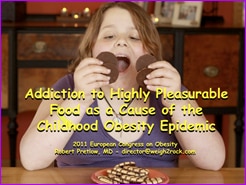
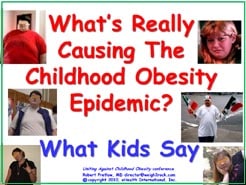
At any rate, for thousands of years, the norm was for poverty to cause undernourishment and low weight. But now, because of some creepy ingredients being added to food, it appears quite possible that poverty can cause obesity.
Food on the brain
Moving on, here are a few more glimpses from the documented past. As in many other departments of human experience, a lot of the accepted wisdom doesn’t even make sense, or makes sense only within a limited repertoire of assumptions about life and the world.
There are some broad observable trends. For instance, along with what people eat and the amount they eat, the centuries have also seen the politicization and weaponization of other factors, like how, when, and where they eat.
Is there really such a thing as a great restaurant critic? Why should that person receive any sort of reward, or even a salary? Why does society tolerate the existence of a cult that fetishizes food? What if we simplified life by all just existing on a canned energy drink or an IV infusion?
And naturally, if humans insist on placing such importance on food, controversy will unavoidably stem from the inevitable results of eating, or not eating, that food. The most noticeable results in those cases are underweight people and overweight people.
End obesity before it ends you
In the 60s, the social movements that swept across the United States asked such questions as, “How dare anyone criticize what race I am, or what I smoke?” And, “Who is that politician, anyway, to tell me I have to go halfway around the world and kill some rice farmers?” Or, “If I want to sleep with a hundred different partners, whose business is that?”
Maybe the day will come when people rise up and march, carrying signs like “Fat As I Wanna Be!” How about, “Bigger Is Better!” “I’m Not Overweight, You’re Insubstantial!” Might it even be possible to legislate against discrimination and bring anti-fat bigots to justice through the law?
For some corpulent people, is their main problem a stubborn reluctance to do what a slew of busybodies see fit to demand? What part should the sciences of psychology and psychiatry play in the obesity issue?
One of the most influential Bible stories is about the original Christian using superhuman powers to share nutrition with a large crowd, no questions asked. The Prophet of Islam told his followers they should absolutely feed people who don’t have enough to eat. Among spiritually inclined humans, to have a bad attitude toward the hungry is pretty much universally frowned upon.
Other sides
According to some segments of pop culture, to become obese gives the world permission to make the accusation: “You don’t care what other people think about you!” — as if that were a bad thing.
But… Indifference to the opinions of others is a trait that has often moved humanity forward. As one example, people who choose lives of service, dedicating themselves to caring for the poor and the sick, are indifferent to the opinions of relatives and friends who ridicule them for bypassing the possibilities of wealth and privilege.
If Mother Teresa had cousins who criticized her for hanging out with beggars, she didn’t care. So maybe there is more to it than that.
Your responses and feedback are welcome!
Image by Boy-Employee and OpenClipart-Vectors/Pixabay
 FAQs and Media Requests: