The New U.S. Dietary Guidelines Spark Praise, Pushback, and Policy Shifts

Since their release in early January, the new U.S. Dietary Guidelines for Americans have stirred intense debate across the food industry, healthcare community, and public policy landscape. Touted by some as a long-overdue course correction and criticized by others as inconsistent or politically influenced, the updated guidance marks a notable shift in tone, particularly around refined carbohydrates and ultra-processed foods.

But while parts of the recommendations are being welcomed as progress, other sections are drawing skepticism over scientific rigor, industry influence, and practical implementation, especially in schools.

Here’s a closer look at what’s changed, who stands to benefit, and what it could mean for Americans.

A shift away from refined carbohydrates

One of the most talked-about updates involves a stronger acknowledgment of the risks associated with refined carbohydrates and ultra-processed foods.

Tim Spector, M.D., a professor of genetic epidemiology at King’s College and scientific co-founder of ZOE, a personalized nutrition program, said in an interview with The Food Institute:

For the first time in a long while, we’re seeing official guidance acknowledge something that researchers and clinicians have been observing for years: Many chronic diseases improve when refined carbohydrate intake is reduced.

For many clinicians, this represents a meaningful departure from decades of nutrition advice that emphasized low-fat diets while often overlooking the role of highly processed carbohydrates in metabolic disease.

However, Dr. Spector cautioned that the guidance may lack practical clarity. He said,

The documents don’t go into much detail on how to do this well, and that’s an important caveat. But even so, this represents a genuinely welcome shift away from nutritional advice that has dominated for the last two decades and has proven remarkably resistant to change despite mounting evidence that it hasn’t delivered better health outcomes.

In other words, while the direction may be promising, the roadmap remains incomplete.

A “mixed bag” of recommendations

Not all experts are fully on board. Evan Nadler, M.D., a childhood obesity treatment expert who previously ran the Childhood Obesity Programs at Children’s National Hospital in Washington, D.C., described the new guidelines as a “mixed bag.” He said:

The advice to limit ultra-processed food, sugar, and refined carbohydrate intake is long overdue and likely helpful for almost everybody, but the advice to increase red meat and whole milk intake isn’t evidence-based and could be especially harmful for those at risk for cardiovascular disease.

He also questioned recommendations around protein intake:

Similarly, Americans already eat plenty of protein so there is no basis to increase protein intake as advocated in the recommendations. Increased protein intake can be an issue for those with kidney disease in particular.

These concerns reflect an ongoing tension in nutrition science: balancing population-wide guidance with individual health risks.

What about gut health?

The guidelines’ recognition of gut health has also drawn mixed reactions. Fiber, prebiotics, and diverse plant-based foods are widely associated with improved gut microbiome health. Critics argue that if gut health is to be a priority, plant-forward foods should take center stage in national guidance.

Kaitlin Voicechovski, lead registered dietitian at Oshi Health, welcomes the shift but believes the emphasis could go further. She said:

If this were truly a gut-friendly food pyramid, a few things might be higher up: fiber-rich foods, whole grains, and plant-based protein sources like beans.

Which industries stand to benefit?

Beyond nutritional science, some experts are questioning the influence of powerful food industry stakeholders. Here’s Dr. Nadler’s take:

Clearly, the dairy and beef industries are the big winners here, and also U.S. [farmers] in general could stand to benefit. While RFK claims to have ‘radical transparency’ when it comes to the pharmaceutical industry, the impact of the National Dairy Council and the National Cattlemen’s Beef Association on the new dietary guidelines has been swept under the rug a bit.

Concerns about industry ties are not new in the development of federal dietary guidelines. Critics argue that transparency around financial relationships remains insufficient.

Dotsie Bausch, an Olympic silver medalist and founder of the vegan nonprofit Switch4Good, was more direct in her critique, stating that six of the nine experts on the dietary guidelines’ panel are “taking money from big meat and dairy.”

She also questioned messaging around “real food”:

They constantly repeat for Americans to eat ‘real food,’ but when in history have any of the guidelines suggested for us to eat fake food? People are well aware their trips to McDonalds and Taco Bell are not healthy choices.

This debate underscores a broader philosophical divide: Should national guidelines lean more heavily toward plant-based patterns, or maintain a more omnivorous framework?

Impact on schools

One area where many agree progress has been made is in reducing children’s exposure to sugar and artificial sweeteners. Dr. Spector described this aspect of the guidance as a “public health win,” noting that limiting added sugars in school meals could help address rising rates of childhood obesity and metabolic disorders.

However, translating guidelines into practice is easier said than done. Lori Nelson of the Chef Ann Foundation, a nonprofit that promotes scratch cooking in schools, compared assembling a school meal to a puzzle. She told NPR:

When you think about the guidelines, there’s so many different pieces that you have to meet. You have to meet calorie minimums and maximums for the day and for the week. You have to meet vegetable subgroup categories.

Infrastructure presents another barrier. Many school cafeterias were built decades ago and designed primarily for reheating pre-prepared food rather than cooking meals from scratch. Budget constraints further complicate efforts to incorporate more whole, minimally processed ingredients.

A new era for plant-based options in schools?

In a related development, the recently signed Freedom in School Cafeterias and Lunches (FISCAL) Act now requires schools to provide plant-based milk options to students whose parents request them. This would be the first time in the nearly 80-year history of the national school lunch program.

This move could signal broader flexibility in how schools interpret and implement federal nutrition policy, particularly as plant-based eating continues to gain popularity among families.

It would also be interesting to follow the news and see how the new food pyramid would compare to the WHO’s recently issued global guidelines for healthier school meals.

Your responses and feedback are welcome!

Source: “The New Food Pyramid: Pros, Cons, Potential Conflicts of Interest,” The Food Institute, 2/11/26
Source: “How the new dietary guidelines could impact school meals,” NPR, 2/5/26
Image by Anastasia  Shuraeva/Pexels

WHO: Global Nutrition Progress Is Stalling

A recent report presented to the World Health Organization (WHO) Executive Board delivered troubling news: global progress on maternal, infant, and child nutrition has largely stalled. In some areas, it’s even moving backward.

Despite years of international commitments and development programs, six major global nutrition targets are now officially “off track.” Rising anemia rates among women, persistent childhood stunting (being too short for their age due to chronic undernutrition), increasing childhood overweight, and stagnant improvements in birth outcomes reveal a growing crisis that experts are calling a silent epidemic, particularly across Africa and other vulnerable regions.

The implications are profound. Nutrition is not just about food — it shapes survival, lifelong health, cognitive development, economic productivity, and equity.

Let’s take a closer look at what’s happening and why it matters.

Anemia in women is a reversing trend

One of the clearest signs of regression is the rising prevalence of anemia in women of reproductive age. Global commitments under Sustainable Development Goal 2 (Zero Hunger) aim to cut anemia rates in half by 2030. Instead of declining, rates have increased from 27.6% in 2012 to 30.7% in 2023.

Anemia — often caused by iron deficiency but also linked to infections, poor diets, and poverty — reduces the body’s ability to carry oxygen in the blood. For women, this can mean increased risk of maternal mortality, higher likelihood of preterm birth, low birth weight infants, and reduced physical capacity and productivity. The rise reflects deeper systemic challenges, such as food insecurity, climate shocks, infectious diseases, gender inequality, and fragile health systems.

The double burden of malnutrition

The world is now grappling with what experts call the “double burden” of malnutrition — undernutrition and overweight existing side by side. Undernutrition remains widespread, as 150.2 million children under five are stunted.

An additional 136.3 million children could face stunting by 2030 if trends continue. Childhood wasting (dangerously low weight for height) affects 6.6% of children, well above WHO’s 5% target threshold. Low birth weight rates have barely improved, decreasing only slightly to 14.7% globally. Stunting affects brain development, school performance, and earning potential later in life. It locks families and nations into cycles of poverty.

Childhood overweight is rising

At the same time, childhood overweight has climbed to 5.5% globally. This rise is linked to food systems that increasingly provide cheap, ultra-processed foods while healthy options remain inaccessible or unaffordable. This nutritional paradox — hunger and obesity existing simultaneously — reflects structural weaknesses in global food systems.

A crisis of inequality

During WHO discussions, member states emphasized that this is not just a nutrition problem — it’s a crisis of inequality. The African region bears the highest global burden of stunting and anemia. Conflict, displacement, and climate change are worsening food insecurity.

In fragile states, entire health and supply systems are disrupted. Climate shocks destroy crops, armed conflicts displace families, and economic instability limits access to nutritious foods. The result is a compounding nutrition crisis, particularly in low-income and conflict-affected regions.

The formula marketing controversy

A heated debate also emerged over the marketing of breast milk substitutes. Several nations criticized aggressive commercial practices that promote formula feeding in vulnerable communities. Critics argue that misleading marketing undermines breastfeeding, targets low-income families, and prioritizes profits over public health.

Concerns were raised about online and cross-border marketing practices, including unregulated digital advertising and product safety recalls. Public health advocates insist that governments must strengthen monitoring and enforce international marketing codes to protect breastfeeding, which remains one of the most effective and cost-efficient interventions for infant survival.

Micronutrient supplementation

While advocacy groups pushed for stronger regulation of formula marketing, industry representatives emphasized the importance of micronutrient supplementation. Iron, folate, iodine, and calcium supplementation during pregnancy can significantly reduce anemia, maternal mortality, and preterm birth. Many experts agree that supplementation programs can be a cost-effective public health strategy, particularly in high-risk populations.

Shrinking aid in a growing crisis

Perhaps the most alarming backdrop to this discussion is declining international nutrition funding. Development assistance for nutrition is estimated to have dropped between 9% and 17% in 2025.

At the same time, no country is currently on track to meet all nutrition targets, dietary diversity is worsening in multiple regions, and vulnerable populations are expanding due to climate change and conflict. Reduced funding threatens to undo years of progress and increase preventable child deaths. Experts are calling for nutrition to be treated as an essential component of primary health care, not a secondary development issue.

The road ahead

The WHO report should be a wake-up call. Without stronger political commitment, better coordination, and sustained investment, global nutrition goals will remain out of reach.

Malnutrition may be described as a “silent epidemic,” but its consequences are anything but silent. They shape the health, survival, and potential of millions of women and children.

According to the experts, reversing the current trend will require protecting nutrition funding, strengthening primary healthcare, supporting fragile and conflict-affected regions, regulating harmful marketing practices, and building resilient and equitable food systems.

In a nutshell, nutrition is not optional — it’s foundational. And the time to act is now.

Your responses and feedback are welcome!

Source: “Maternal and Child Nutrition Backslides: WHO Report Reveals,” Health Policy Watch, 2/6/26
Source: “Maternal, infant and young child nutrition,” WHO, 12/9/25
Image by Mikhail Nilov/Pexels

WHO’s New Global Guideline for Healthier School Meals

Children spend a large portion of their day at school — learning, eating, growing, and forming lifelong habits. That’s why what they eat in school isn’t just fuel for the day; it’s an investment in future health. The World Health Organization (WHO) recently released a landmark global guideline recommending evidence-based policies to create healthier school food environments, with the goal of shaping healthier generations who thrive both physically and academically.

As we’ve written over and over, across the world, children are facing a “double burden” of malnutrition: rising rates of overweight and obesity, alongside persistent undernutrition. In 2025, an estimated 188 million school-aged children and adolescents — about 1 in 10 — were living with obesity, a figure that now surpasses the number of children who are underweight globally. These trends have long-term implications, increasing the risk of chronic diseases like diabetes and heart disease later in life.

Dr. Tedros Adhanom Ghebreyesus, WHO Director-General, emphasizes the stakes:

The food children eat at school, and the environments that shape what they eat, can have a profound impact on their learning, and lifelong consequences for their health and well-being.

Healthy eating habits begin early — and schools are uniquely positioned to foster them. With an estimated 466 million children receiving school meals globally, schools influence not just nutrition intake but also social norms around food. Yet, until now, there has been limited global guidance on how to ensure these meals truly support healthy diets.

WHO’s whole-school approach

For the first time, the WHO is urging countries to adopt a whole-school approach, ensuring that all foods and beverages provided in schools and available throughout the broader school food environment are nutritious and support healthy dietary habits.

The new guideline highlights actionable recommendations:

  1. Establish Healthy Food Standards (Strong Recommendation). Schools should set standards or rules that increase the availability, purchase, and consumption of healthy foods and beverages, such as fruits, vegetables, whole grains, and water. Unhealthy options high in sugar, salt, and unhealthy fats would be limited.
  1. Use “Nudging” Strategies (Conditional Recommendation). Encourage healthier choices through subtle changes like adjusting the placement and presentation of foods (e.g., putting fruit at eye level) and changing pricing to make healthier options more attractive. These recommendations tap into behavior science to make the healthy choice the easy choice.

Policy is only the first step

Guidelines and standards are essential, but policies must be backed by effective monitoring and enforcement. According to the WHO Global database on the Implementation of Food and Nutrition Action (GIFNA), as of October 2025, 104 member states had policies on healthy school food, and nearly three-quarters included mandatory criteria on school food composition. Only 48 countries had policies restricting the marketing of foods high in sugar, salt, or unhealthy fats.

To develop this guideline, the WHO brought together international experts from diverse disciplines through a transparent, evidence-based process. It now serves as a cornerstone for WHO’s broader initiatives, including efforts to stop the global rise in obesity and promote nutrition-friendly schools. The guideline is designed to be flexible: useful for national ministries of health and education, as well as subnational and city authorities responsible for school food programs.

According to the WHO, it is committed to helping countries translate these recommendations into real change. This includes technical assistance, knowledge-sharing, and collaborations with governments and partners.

To mark the launch, the WHO hosted a global webinar last January, bringing together stakeholders to discuss how to put the guideline into action (you can watch the recording here).

Your responses and feedback are welcome!

Source: “WHO urges schools worldwide to promote healthy eating for children,” WHO.com, 1/27/26
Source: “From lunch tray to lifelong health: WHO sets global standards for school meals,” UN.org, 1/27/26
Image by Antoni Shkraba Studio/Pexels

Family Values and Trust Shape Decisions About GLP-1 Meds for Kids

When it comes to treating childhood obesity, medical decisions rarely happen in a vacuum. For families facing food insecurity, choices about care are shaped not just by medical advice, but by lived experience, cultural values, and trust in the healthcare system.

A recent study published in JAMA Network Open explored how caregivers make decisions about using GLP-1 receptor agonists (GLP-1 RAs), a newer class of medications increasingly discussed as a treatment option for pediatric obesity. Researchers found that caregiver experiences, trust, and family values play a central role in whether medication is considered, accepted, or declined.

As outlined by Contemporary Pediatrics, their findings point to three key areas that matter most in shared decision-making: Understanding barriers to lifestyle change, building trust and knowledge about treatment options, and aligning care with family values.

Why this study matters

Lifestyle changes, such as healthier eating and increased physical activity, have long been the first recommendation for managing childhood obesity. But for many families, especially those with limited access to affordable, healthy foods, these changes can be difficult to maintain and may not lead to significant weight improvement.

GLP-1 medications have gained attention as a possible tool to help bridge that gap. These medications work by affecting appetite and blood sugar regulation, and they’ve shown promise in supporting weight loss. However, families experiencing food insecurity may have unique concerns, priorities, and barriers that influence whether this option feels right.

As the study authors noted:

As new pediatric clinical practices surrounding the use of GLP-1 RAs take shape, it is essential to incorporate the voices of families affected by food insecurity.

How the study was conducted

Researchers interviewed 20 caregivers of children with obesity who were also at moderate to high risk for household food insecurity. All children had already participated in at least two months of physician-recommended dietary changes.

The interviews lasted about 45 minutes and explored knowledge about treatment options, access to healthy foods, motivation and challenges related to lifestyle change, and beliefs about medication use in children.

Most caregivers faced significant structural challenges:

  • 90% were born outside the U.S.
  • 75% used a language other than English for medical care
  • 70% had low health literacy
  • 80% of children were insured through Medicaid


These factors are important because they influence how medical information is received, understood, and trusted.

Three themes that shaped decisions

One was past experiences with lifestyle changes. Caregivers who saw noticeable improvements from dietary and activity changes often felt proud and motivated to continue without medication. For these families, lifestyle change felt like the “right” and most natural path.

But for others, months — or even years — of effort brought little visible progress. In those cases, GLP-1 medications seemed like a hopeful next step.

At the same time, many caregivers described serious barriers to maintaining healthy routines, including:

  • High cost of fresh foods
  • Time-intensive meal planning
  • Emotional stress around food and weight
  • Family conflict and pressure during mealtimes


Some caregivers described using emotional appeals or strict approaches to motivate their children, which sometimes increased stress across the household.

Trust — or lack of it — also played a huge role. Many caregivers had safety concerns about GLP-1 medications, especially because they are relatively new and frequently discussed in the media. Questions about long-term effects and side effects were common.

Personal experiences mattered as well. One caregiver shared hesitancy due to a past negative experience with weight-related medication. Others were more open if they had seen medications help friends or family members. Trust was mainly shaped by personal or secondhand experiences, cultural beliefs about medication use in children, and clarity (or confusion) in how doctors explained options.

The third item was beliefs about what “good care” looked like. Caregivers differed in how they defined the best way to care for their child. Some prioritized physical health above all, believing lifestyle change was the most responsible and safest path. For them, medication felt like a last resort.

Others placed strong emphasis on their child’s emotional well-being and the overall stress on the family. These caregivers sometimes saw medication as a way to reduce conflict around food, ease emotional strain, and relieve financial and time pressures.

What this means for families and providers

The study highlights that decisions about GLP-1 medications aren’t just medical — they’re deeply personal.

Researchers concluded:

A shared decision-making model and clinical education tools that honor these complexities are essential for delivering care that is both effective and equitable and should be the focus of future research.

For healthcare providers, this means:

  • Taking time to understand a family’s lived experience
  • Asking about food access and daily challenges
  • Exploring concerns about medication openly
  • Respecting cultural and personal values


For families, it’s a reminder that:

  • It’s okay to ask questions about safety and long-term effects
  • Your experiences and priorities matter in treatment decisions
  • There is no one-size-fits-all answer


So, the study clearly shows that for children with obesity in families facing food insecurity, treatment decisions are shaped by far more than a prescription pad. Past struggles, financial realities, emotional stress, cultural beliefs, and trust in medicine all come into play.

Your responses and feedback are welcome!

Source: “Themes identified for using GLP-1 RAs to manage obesity in food-insecure children,” Contemporary Pediatrics, 1/21/26
Source: “Perceptions of GLP-1 RA Use for Children With Obesity Among Caregivers With Food Insecurity,” JAMA Network, 1/7/26
Source: “We Need a New Approach to Prevent Obesity in Low-Income Minority Populations,” Pediatrics, 6/1/19
Image by Safari Consoler/Pexels

Inside UCLA’s Fit for Health Program

As we’ve written time and time again, childhood obesity is a complex condition shaped by far more than diet and exercise alone. At UCLA Health’s Fit for Health Program, clinicians are embracing a comprehensive model that treats obesity as a medical, emotional and social condition — one that requires coordinated, compassionate care. Let’s take a quick look at what works in the current environment and what the challenges are.

Founded nearly 15 years ago by Dr. Wendelin Slusser, a UCLA Health physician specializing in clinical care, medical training and obesity research, the program has long focused on improving outcomes for children and adolescents. Since 2024, however, the clinic has expanded its reach and scope under new leadership.

Dr. Vibha Singhal, who took over the program last year, said she broadened its approach by integrating new therapies, obesity medications and bariatric surgeries related to weight loss. Beyond treatment, the clinic also serves as a learning environment, with undergraduates, medical students, residents, and fellows contributing to patient care.

Research is a central pillar of the program’s mission, Dr. Singhal said, noting:

I have my own lab where we have studies primarily around obesity and obesity treatments… Addressing food insecurity, how we can build that into our program, evaluating for potential eating disorders, evaluating the newer medications and the risks of infertility effects on the next generation.

Addressing food insecurity and eating disorders

For many families, access to healthy food remains a barrier to care. The program currently uses a small food bank grant to help clinicians address food insecurity among patients, Dr. Singhal said.

Eating disorders are another common challenge. Many patients struggle with binge eating and related conditions, according to Dr. Singhal. To meet these needs, the clinic relies on a multidisciplinary care team that includes psychologists, nutritionists and social workers who collaborate closely.

Dr. Natacha Emerson, the program’s psychologist, said:

We are sort of a one-stop shop… Unlike going to a doctor’s visit, where they just refer you to a psychologist or a dietitian, all three of those providers are actively working together to focus on shared goals to make sure that we are helping patients the way that they want to be helped.

Rapid growth brings new challenges

The demand for this integrated model of care has surged. Since October 2024, the clinic’s patient volume has doubled, Dr. Singhal said. To keep up, the program added two new physicians and expanded availability for nutritionists and psychologists.

Still, growth has brought strain. Dr. Singhal said:

We doubled the volume, but we didn’t double all our resources… It adds a lot of work on the team… It’s getting hard to keep up.

Insurance coverage remains a significant hurdle as well. Many obesity treatments are not covered, and Dr. Singhal said she anticipates further medication cuts at both the state and federal levels starting in January.

Serving vulnerable families

The clinic often serves families who are underinsured or undocumented, which can make accessing care difficult. Dr. Emerson noted that fear and uncertainty around immigration status can discourage families from seeking medical help. She said:

In the last year, we have had a lot of our patients who want to be healthier and have healthier bodies, but some of our families also have parents that are undocumented, and that has made seeking health care scary in this certain climate.

Telehealth has helped bridge that gap. According to Dr. Singhal, the clinic’s no-show rate has dropped as families increasingly return for care, including through video visits. Dr. Emerson offered:

Thankfully, we’re able to keep patients via video visit, which is sometimes a good way to make people feel more secure, especially when there are transportation and other barriers to getting to the clinic.

Integrating mental and physical health

A defining feature of the Fit for Health Program is its commitment to addressing mental health alongside physical health. Dr. Emerson said part of her role is identifying mental illnesses that may be influencing a child’s weight, allowing the team to intervene early and appropriately.

Dr. Singhal also shared a long-term vision for the clinic: creating a structured program specifically for patients with developmental disabilities, including autism, Down syndrome and genetic disorders.

Meanwhile, the program’s social worker, Bobby Verdugo, leads a mindfulness initiative that helps families navigate complex social and behavioral challenges. He said:

We tailor the (mindfulness) curriculum to the family… Some families may want to work a lot on portions, some want to work more on what they’re eating too fast and others on physical activity. We really adjust it to the family and I think that’s pretty unique — the ability to provide this intervention, to customize it to the family and then to continue to work with families in this kind of holistic, multidisciplinary way.

Redefining success beyond the scale

For many young patients, emotional well-being is just as important as physical health. Dr. Emerson said children often arrive with negative body image and pressure to be thinner rather than healthier — an expectation the clinic works to gently reshape.

At UCLA’s Fit for Health Program, progress is measured not just in pounds lost, but in confidence gained, barriers reduced and families supported, which we believe is an approach that reflects the true complexity of childhood obesity.

Speaking of UCLA…

Dr. Pretlow, the creator of BrainWeighve, a weight loss app for overweight and obese children, is conducting a BrainWeighve clinical trial at UCLA. The trial has expanded to include 10 subjects currently taking GLP-1 medications. This addition aims to help researchers understand how lifestyle and behavioral tools enhance medication or possibly even reduce the need for medication over time.

The program is designed for obese teens and uses a self-directed, physician-supervised approach to tackle overeating one “problem food” at a time. By helping participants rechannel emotional urges into healthier coping mechanisms, BrainWeighve aims to support sustainable weight loss — and reduce dependence on willpower alone.

Your responses and feedback are welcome!

Source: “UCLA Fit for Health Program adopts holistic approach to childhood obesity,” Daily Bruin, 1/14/25
Source: “Fit for Health Program,” UCLA.org, undated
Image by Los Muertos Crew/Pexels

Inside America’s New Dietary Guidelines

The federal government has unveiled a sweeping overhaul of the nation’s dietary advice, signaling a sharp departure from decades of nutrition policy. Health Secretary Robert F. Kennedy Jr. announced new dietary guidelines last week that emphasize whole foods, protein, and healthy fats — while calling for a significant pullback from highly processed foods.

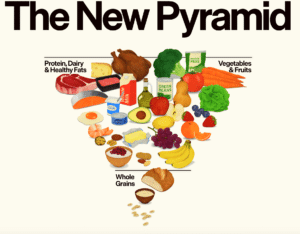
At a press conference, the administration introduced a newly redesigned food pyramid, one that looks nothing like its predecessors. In the new visual, red meat, cheese, vegetables, and fruits appear at the top, symbolizing foods Americans are encouraged to prioritize.

Kennedy framed the update as a historic turning point. He described the guidelines as the most significant reset of U.S. nutrition policy to date, arguing that past recommendations steered Americans toward foods that ultimately harmed public health.

“Protein and healthy fats are essential and were wrongly discouraged in prior dietary guidelines,” Kennedy said. “We are ending the war on saturated fats.”

Turning the pyramid upside down

The original food pyramid, introduced in the early 1990s, placed grains at its wide base, encouraging heavy consumption, while fats and oils sat at the narrow top. That model was retired in 2011, replaced by the “MyPlate” graphic championed by then–First Lady Michelle Obama. Now, the pyramid is back — but flipped on its head.

In an introduction to the new guidelines, Kennedy and Agriculture Secretary Brooke Rollins wrote,

We are reclaiming the food pyramid and returning it to its true purpose of educating and nourishing all Americans.

They also highlighted the health crisis driving the change, noting that more than 70% of American adults are overweight or obese. According to Kennedy and Rollins, the problem stems from a diet that has “become reliant on highly processed foods and coupled with a sedentary lifestyle.”

The guidelines call for a “dramatic reduction” in foods described as “highly processed foods laden with refined carbohydrates, added sugars, excess sodium, unhealthy fats, and chemical additives.” At the same time, they encourage diets that include meat and dairy and set limits on added sugar.

Pushback from nutrition experts

Not everyone is on board with the new approach. Some nutrition scientists argue that elevating red meat and saturated fat contradicts decades of research.

Christopher Gardner, a nutrition expert at Stanford University and a former member of the Dietary Guidelines Advisory Committee, stated:

I’m very disappointed in the new pyramid that features red meat and saturated fat sources at the very top, as if that’s something to prioritize. It does go against decades and decades of evidence and research.

Gardner favors shifting protein intake toward plant-based sources like beans rather than emphasizing animal protein.

Both the American Heart Association and the Academy of Nutrition and Dietetics also point to evidence linking excess saturated fat to heart disease.

According to NBC News, the American Heart Association said in a statement that it “commends” including several important science-based recommendations in the new guidance, including eating more fruits, vegetables and whole grains, while cutting back on added sugars and processed foods.

However, it continued,

We are concerned that recommendations regarding salt seasoning and red meat consumption could inadvertently lead consumers to exceed recommended limits for sodium and saturated fats, which are primary drivers of cardiovascular disease.

The American Medical Association (AMA) applauded the new guidance for spotlighting ultra-processed foods, added sugars and sodium, which it says fuel chronic diseases, including heart disease, diabetes and obesity.

Dr. Bobby Mukkamala, president of the AMA, said in a statement,

The Guidelines affirm that food is medicine and offer clear direction patients and physicians can use to improve health.

Marion Nestle, professor emerita of nutrition, food studies and public health at New York University, said that the advice to limit highly processed foods is a major improvement but that “everything else is weaker or has no scientific justification.” The new guidelines still retain a long-standing recommendation to limit saturated fat to 10% of daily calories. NBC News quoted Nestle’s email that states that the focus on protein…

[…] makes no sense (Americans eat plenty) other than as an excuse to advise more meat and dairy, full fat, which will make it impossible to keep saturated fat to 10% of calories or less.

Dairy takes center stage

One of the most notable changes is the elevation of cheese and other dairy products to the top of the pyramid. This shift opens the door for full-fat milk and dairy products to be offered in school meals, an idea once considered controversial.

Dariush Mozaffarian, a cardiologist, public health scientist, and director of the Food is Medicine Institute at Tufts University, said:

There’s growing evidence, based on nutrition science, that dairy foods can be beneficial… It’s pretty clear that overall milk and cheese and yogurt can be part of a healthy diet… Both low-fat and whole-fat dairy versions of milk, cheese and yogurt have been linked to lower cardiovascular risk… What’s quite interesting is that the fat content doesn’t seem to make a big difference.

Whole grains still matter, but not the refined ones

Although whole grains appear at the smallest point at the bottom of the new pyramid, the guidelines still instruct Americans to “prioritize fiber-rich whole grains.” The key difference is a sharper line drawn between whole grains and refined grains. The recommendations call for two to four servings per day of whole grains while significantly reducing refined carbohydrates such as white bread and many packaged or ready-to-eat foods.

Mozaffarian supports this part of the guidance, especially the focus on food processing. He said,

Highly processed foods are clearly harmful for a range of diseases, so to have the U.S. government recommend that a wide class of foods be eaten less because of their processing is a big deal and I think a very positive move for public health.

While the guidelines avoid the term “ultra-processed,” they repeatedly emphasize eating “real food that nourishes the body.” They also recommend no added sugar at all for children under the age of 10.

New guidance on alcohol

The updated guidelines also revise long-standing alcohol recommendations. Instead of specifying daily limits (previously up to one drink per day for women and two for men) the guidance now simply states: “Consume less alcohol for better health.”

The guidelines also clearly identify groups who should avoid alcohol entirely, including pregnant women, people recovering from alcohol use disorder, those who cannot control how much they drink, and individuals taking medications or managing medical conditions that interact with alcohol.

Although many Americans may never read the dietary guidelines themselves, their impact is far-reaching. These recommendations shape what’s served in school cafeterias, on military bases, and through federal nutrition programs for mothers and infants by setting standards for calories and nutrients.

As debate continues among scientists and health organizations, one thing is clear: The new dietary guidelines mark a bold and controversial shift in how the federal government defines healthy eating in America.

Your responses and feedback are welcome!

Source: “RFK Jr.’s new dietary guidelines go all in on meat and dairy,” NPR, 1/8/26
Source: “RFK Jr. rolls out new dietary guidelines backing more protein and full-fat dairy,” NBC News, 1/7/26
Image courtesy of USDA, used under Fair Use: Commentary

Medicare May Open the Door to Affordable Weight-Loss Drugs

Millions of older Americans could soon gain access to popular weight-loss medications at a fraction of their current cost. The Centers for Medicare and Medicaid Services (CMS) announced a new voluntary model program that would allow certain Medicare beneficiaries to obtain GLP-1 drugs for obesity for as little as $50 per month.

Under current law, Medicare is prohibited from covering medications prescribed solely for weight loss. However, both the Trump and Biden administrations have argued that obesity should be treated as a chronic disease and that GLP-1 medications play an important role in preventing serious health conditions such as diabetes, heart disease, and stroke.

The newly announced initiative, known as Better Approaches to Lifestyle and Nutrition for Comprehensive hEalth (BALANCE), is designed to expand access to GLP-1 drugs while keeping costs under control. CMS has negotiated discounted prices with drugmakers Eli Lilly and Novo Nordisk, pairing medication access with lifestyle and nutrition support through Medicare Part D plans.

CMS Administrator Dr. Mehmet Oz said the effort is intended to “democratize access to weight-loss medication” that has previously been out of reach for many Americans. The program aims to combine medical innovation with healthier living strategies in a way that benefits patients while limiting costs for taxpayers.

How the program would work

CMS plans to negotiate both pricing and eligibility standards with drug manufacturers. Under the agreement announced last month, eligible Medicare enrollees would pay $50 per month for certain GLP-1 medications approved for obesity and diabetes, while Medicare would cover an additional $245 per prescription.

Eligibility would be limited. Those who qualify include people who are overweight with prediabetes, individuals who have experienced a stroke or other cardiovascular events, and patients with obesity combined with diabetes or severe, uncontrolled high blood pressure. Officials estimate that roughly 10% of Medicare beneficiaries would meet the criteria.

Participation in the BALANCE model is voluntary for drug manufacturers, state Medicaid programs, and Medicare Part D insurers. State Medicaid agencies can opt in starting in May 2026, with Part D plans following in January 2027. In the meantime, CMS plans to launch a short-term demonstration program that could allow Medicare beneficiaries to access GLP-1 medications as early as July. That temporary program would run through December 2031.

A shift from previous policy debates

Last year, the Biden administration proposed reinterpreting Medicare law to allow obesity drugs to be covered as treatment for a chronic condition, an approach estimated to cost Medicare $25 billion over 10 years. That effort was paused earlier this year. The current plan, by contrast, includes negotiated price reductions, which the Trump administration says will make the expansion cost-neutral.

The agreement also extends to Medicaid. Eli Lilly and Novo Nordisk have committed to offering GLP-1 medications at lower prices to state Medicaid programs, although coverage decisions will depend on individual state negotiations. As of October, 16 state Medicaid programs covered GLP-1 drugs for obesity. However, several states, including North Carolina and Michigan, have recently scaled back coverage due to rising costs.

Industry and insurer reactions

Some insurers are cautiously optimistic. The Alliance of Community Health Plans noted that GLP-1 drugs have been shown to improve health outcomes, but also warned that side effects can cause many patients to discontinue treatment within the first year. The group said it is seeking more clarity on insurer costs and long-term sustainability.

With more than 70% of U.S. adults classified as overweight or obese, CMS argues that expanding access to effective treatments could significantly reduce the burden of chronic disease nationwide. Whether the BALANCE model succeeds may depend on how well it balances affordability, patient adherence, and long-term health outcomes.

Your responses and feedback are welcome!

Source: “Medicare opens door to covering blockbuster drugs for weight loss,” CNN.com, 12/23/25
Source: “US health agency unveils weight-loss drug coverage model,” Reuters, 12/24/25
Image by RDNE Stock project/Pexels

FDA Approves Wegovy Pill

The landscape of medical weight loss just had one major change. On Monday, the Food and Drug Administration (FDA) approved a pill version of Wegovy, Novo Nordisk’s blockbuster GLP-1 weight loss drug, making it the first oral GLP-1 medication approved specifically for weight loss.

Until now, GLP-1 drugs such as semaglutide (found in Ozempic and Wegovy) and tirzepatide (used in Mounjaro and Zepbound) have only been available as injections. While highly effective, injections can be a barrier for many patients. The arrival of a daily pill could change that.

Novo Nordisk expects the Wegovy pill to be widely available in January, according to a company spokesperson. A competing oral GLP-1 pill from Eli Lilly is also expected to gain FDA approval in the coming months.

Why the Wegovy pill matters

GLP-1 drugs were initially developed to treat type 2 diabetes, but they quickly gained attention for their ability to drive significant weight loss. Their popularity has soared in recent years as obesity treatment has shifted toward more effective medical options.

Dr. Christopher McGowan, a gastroenterologist who runs a weight loss clinic in Cary, North Carolina, told NBC News:

This is a meaningful step forward in the field… It won’t replace injectables, but it broadens our tool kit in an important way.

Dr. McGowan emphasized that the form of the medication itself may help more people feel comfortable starting treatment:

Pills are familiar, nonintimidating and fit more naturally into most people’s routines… For many patients, a pill isn’t just easier, it’s psychologically more acceptable.

Novo Nordisk already sells an oral version of semaglutide called Rybelsus for diabetes, but it comes in a lower dose. The newly approved Wegovy pill is formulated specifically for weight loss, and at higher doses.

Cost, coverage, and access questions

Novo Nordisk has not yet released the list price for the Wegovy pill, which must be taken daily, but it is expected to cost less than the weekly injections. Insurance coverage, however, remains uncertain. Many private insurers restrict coverage of injectable weight loss drugs because of their high cost.

Medicare is legally barred from covering medications approved solely for weight loss. However, the Wegovy pill was also approved for lowering heart disease risk, which Medicare does cover — potentially opening the door for broader access.

In November, Novo Nordisk reached an agreement with the Trump administration to sell the lowest dose of the pill for $149 per month for people paying out of pocket, in exchange for tariff relief. Eli Lilly made a similar deal for its own weight loss pill.

How effective is the Wegovy pill?

Clinical trial data suggest the pill works nearly as well as the injectable version — if taken correctly. Phase 3 trial results published in The New England Journal of Medicine showed that participants taking the highest dose of the Wegovy pill lost an average of 16.6% of their body weight after 64 weeks. By comparison, those in the placebo group lost just 2.2%. That result is roughly on par with injectable Wegovy, which reduced weight by about 15% after 68 weeks in earlier trials.

However, adherence may be a major challenge. Dr. Shauna Levy, medical director of the Tulane Weight Loss Center, noted that the pill must be taken first thing in the morning, on an empty stomach, with no more than four ounces of water. Participants who failed to follow the strict schedule lost less weight, about 13.6% of their body weight on average.

The key uncertainty is how patients will do outside of clinical trials. The open question is “real-world performance,” Dr. McGowan said. “Will patients tolerate the daily dosing and strict timing? Will they stay on long enough to see meaningful results? We don’t know yet.”

Side effects and comparisons to injections

Like injectable GLP-1 drugs, the most common side effects reported with the Wegovy pill were gastrointestinal, including nausea and vomiting. In some cases, those effects may be stronger.

Dr. McGowan explained that side effects from the pill version can feel “more intense” because the medication reaches the stomach all at once. “The challenges we see with injectable GLP-1s don’t magically disappear with a tablet,” he said.

While the Wegovy pill delivers weight loss comparable to injectable Wegovy, newer injectable drugs still lead the field. Lilly’s Zepbound helped patients lose 22.5% of their body weight after 72 weeks in clinical trials, and its next-generation injection, retatrutide, produced average weight loss of 24% after just 48 weeks.

Novo Nordisk says the differences may come down to how the medication is absorbed. Because pills are broken down in the digestive tract, less of the drug reaches the bloodstream compared to injections. To compensate, the Wegovy pill is taken daily and at higher doses.

The pill’s effectiveness is closer to Lilly’s oral drug orforglipron, which led to about 10.5% weight loss after 72 weeks in late-stage trials. These figures, however, are not from direct head-to-head comparisons.

Avoiding past shortages

When injectable Wegovy first launched, it was plagued by prolonged shortages. This time, Novo Nordisk says it has increased pill production ahead of the rollout. Another consideration is that oral medications are often easier to manufacture than injectables, which could help prevent supply issues and improve access.

For now, the Wegovy pill represents a promising new chapter in the rapidly evolving science of weight loss treatment.

Your responses and feedback are welcome!

Source: “FDA approves Novo Nordisk’s Wegovy pill, the first and only oral GLP-1 for weight loss in adults,” PR Newswire, 12/22/25
Source: “FDA approves Wegovy weight loss pill from Novo Nordisk,” NBC News, 12/22/25
Image by JESHOOTS.com/Pexels

New Gut Research for Obesity and Diabetes

Scientists have long suspected that the trillions of microbes living in our gut do more than help digest food. Now, new research suggests they may play a direct role in shaping how our bodies handle sugar and fat — key factors in obesity and type 2 diabetes.

A recent study conducted at Harvard University, with support from Brazil’s São Paulo Research Foundation (FAPESP), has uncovered a network of small molecules produced by gut microbes that travel from the intestine to the liver and then throughout the body. These compounds, known as metabolites, appear to influence how the liver processes energy and how sensitive the body is to insulin. The findings were published in the journal Cell Metabolism and could open the door to new ways of treating metabolic disease.

The gut–liver highway

To understand the discovery, it helps to know how blood flows through the body. Much of the blood leaving the intestine doesn’t go straight into the general circulation. Instead, it travels through a special vessel called the hepatic portal vein, which delivers nutrients and microbial byproducts directly to the liver first.

“The liver is essentially the first organ to see what’s coming from the gut,” explains lead author Vitor Rosetto Muñoz, a postdoctoral researcher at the University of São Paulo who conducted part of the study at Harvard’s Joslin Diabetes Center. Once these gut-derived compounds reach the liver, they can be modified, broken down, or released into the bloodstream to affect other organs.

By comparing blood from the hepatic portal vein with blood circulating throughout the rest of the body, the researchers were able to pinpoint which metabolites come from the gut and how they may influence metabolism along the way.

Why the gut microbiome matters

In recent years, researchers have learned that people with obesity, insulin resistance, or type 2 diabetes often have a different mix of gut bacteria than people without these conditions. What’s been harder to determine is exactly how those microbes affect metabolism.

To explore this, the team studied mice with different genetic risks for obesity and diabetes. They analyzed metabolites in both portal vein blood and peripheral blood, offering a clearer picture of what the liver is exposed to right after digestion.

In healthy mice, researchers identified more than 100 metabolites enriched in blood traveling from the gut to the liver. But in mice genetically prone to obesity and diabetes (and fed a high-fat diet), that number dropped dramatically. This suggests that diet and genetics together can reshape the chemical messages sent from the gut to the liver.

Interestingly, mice that were naturally resistant to metabolic disease showed a different metabolite pattern altogether. This points to a complex interaction between a person’s genes, their environment, and their gut microbiome.

Disrupting the microbiome changes metabolism

To test whether gut bacteria were truly responsible for these changes, researchers treated some mice with antibiotics that altered their gut microbiome. As expected, this disrupted microbial populations and also shifted the types of metabolites found in the blood.

One metabolite that increased stood out: mesaconate, a compound involved in the Krebs cycle, which is the process cells use to generate energy. When scientists exposed liver cells to mesaconate and related molecules in the lab, they saw improvements in insulin signaling. The compounds also helped regulate genes linked to fat buildup and fat burning in the liver — two processes that are often impaired in metabolic disease.

These findings suggest that certain gut-derived metabolites can directly improve liver metabolism, even in the context of a high-fat diet.

What this could mean for the future

While this research was done in mice, it provides a detailed map of how gut microbes may influence metabolic health through the liver. The next step is to better understand how each metabolite is produced and how it behaves in the body.

Over time, this work could help scientists identify specific microbial byproducts that might be used as treatments—or inspire therapies that reshape the gut microbiome to improve insulin sensitivity and reduce the risk of obesity and type 2 diabetes.

So, remember: What happens in your gut doesn’t stay in your gut. It may travel straight to your liver and shape your metabolic health in powerful ways!

Your responses and feedback are welcome!

Source: “Harvard gut discovery could change how we treat obesity and diabetes,” ScienceDaily, 12/14/25
Source: “Metabolites produced in the intestine play a central role in controlling obesity and diabetes,” Agencia.fapesp.br, 11/26/25
Source: “Portal vein-enriched metabolites as intermediate regulators of the gut microbiome in insulin resistance,” ScienceDirect, 10/7/25
Image by Wassily Kandark/Pexels

GLP-1 Medications Should Be Paired With Lifestyle Modifications

GLP-1–based therapies, popularized by medications like semaglutide and tirzepatide, are reshaping the way we think about obesity, metabolic health, and even chronic disease prevention. While these drugs first gained widespread attention for supporting significant weight loss, new research shows their influence reaches deep into multiple body systems.

At UC Davis Health, experts are taking a comprehensive look at how GLP-1 medications affect the entire body, from the gut and brain to the heart, muscles, and bones. Their findings point to a future where obesity treatment is not only more effective but also more holistic.

According to Miranda Stiewig-Rapp, assistant professor of endocrinology at UC Davis Health and incoming director of the system’s new Obesity Clinic (opening in 2026), GLP-1 agonists are redefining what’s possible in medical weight management.

Early clinical trials show average weight loss of 15-20%, compared to the 5-10% typically achieved with earlier generations of medication. And while these drugs offer powerful support, experts emphasize that pairing them with lifestyle changes creates the strongest outcomes.

The systemic impact of GLP-1 therapies

UC Davis Health recently brought together leading scientists, clinicians, researchers, and industry innovators to examine how GLP-1 drugs influence the body as a whole. Their findings reveal broad metabolic shifts that reinforce the importance of personalized nutrition, fitness, and long-term support.

The gut

GLP-1 slows gastric emptying, a mechanism that helps regulate blood sugar and prolong satiety. But it also influences the trillions of microbes that make up the gut microbiome.

These medications change how food moves through the digestive tract and alter fermentation patterns — shifts that can reshape the microbiome itself. A healthier microbiome can improve insulin sensitivity and support the metabolic benefits of GLP-1 therapies.

However, gastrointestinal side effects such as nausea, vomiting, or diarrhea remain common as the body adjusts. Supporting gut health with probiotics, fiber, and nutrient-dense meals can help minimize discomfort.

The brain

GLP-1 signals travel to the brain through the bloodstream and vagus nerve, reducing hunger and quieting the persistent “food noise” many patients describe.

Emerging research suggests that GLP-1 therapies may also influence reward pathways, potentially affecting cravings for sweets, fatty foods, and even substances like nicotine or alcohol. With appetite and reward signaling both shifting, many patients find it easier to adopt healthier eating patterns.

The muscles

While GLP-1 medications promote fat loss, rapid weight reduction may also lead to a loss of lean mass. Experts note that 15-25% of weight lost during calorie reduction — whether through medication or diet — can be lean mass.

Maintaining physical activity and prioritizing high-quality protein are essential for preserving muscle and keeping metabolism strong. Resistance training and structured exercise plans remain important companions to GLP-1 therapy.

The bones

Bone is metabolically active and responds to hormonal shifts, including those influenced by GLP-1. Rapid weight loss, reduced food intake, and nutrient gaps can place extra stress on bone density, especially in older adults and postmenopausal women. A balanced diet rich in calcium, vitamin D, magnesium, and protein, along with weight-bearing exercise, helps protect bone strength during GLP-1 therapy.

The heart

Beyond blood sugar control and weight loss, GLP-1 receptor agonists offer significant cardiovascular protection. Clinical trials show they reduce the risk of major heart events such as heart attack and stroke. Multi-agonist medications that combine GLP-1 with GIP or glucagon may enhance these heart benefits even further by improving fat metabolism and reducing inflammation.

Nutrition matters more than ever

Because GLP-1 medications suppress appetite, patients often eat less, which can make it harder to get the nutrients the body needs. Precision nutrition approaches can help close these gaps. The recommendations include choosing smaller, nutrient-dense meals; prioritizing high-quality protein; taking vitamins like B12, D, folate, magnesium, and iron; staying hydrated; and supporting gut health with probiotics and fiber.

Behavioral insights and BrainWeighve

At the 2025 conference on Obesity and Chronic Diseases (ICOCD) in Boston in November, Dr. Robert Pretlow, publisher of Childhood Obesity News, presented emerging insights into how GLP-1 medications interact with behavior, reward, and lifestyle habits. Dr. Pretlow’s core message was clear: GLP-1 medications work best when paired with lifestyle modification.

Dr. Pretlow is the creator of BrainWeighve, a weight loss app for overweight and obese children. In breaking news, Dr. Pretlow announced that the BrainWeighve clinical trial at U.C.L.A. has expanded to include 10 subjects currently taking GLP-1 medications. This addition aims to help researchers understand how lifestyle and behavioral tools can enhance — or possibly even reduce — the need for medication over time.

How GLP-1s affect the reward system

The mechanism of action for GLP-1 agonists is believed to involve the inhibition of reward cues, which may reduce cravings and compulsive eating behaviors. This could help “quiet” displacement mechanisms — behaviors people use to soothe emotional or psychological discomfort through food.

But a key question remains: What happens if displacement is never addressed?

According to Dr. Pretlow, pairing displacement interventions with GLP-1 therapy may allow patients to use lower doses of medication, support tapering off GLP-1s over time, help non-responders gain better results, and provide long-term tools for managing eating addiction and emotional hunger.

These early findings suggest that displacement activities — redirecting urges into harmless or productive behaviors — may offer meaningful support to individuals struggling with overeating.

The BrainWeighve study

These concepts are at the heart of BrainWeighve, a behavior modification and weight loss app currently in clinical trials at UCLA. The program is designed for obese teens and uses a self-directed, physician-supervised approach to tackle overeating one “problem food” at a time.

By helping participants rechannel emotional urges into healthier coping mechanisms, BrainWeighve aims to support sustainable weight loss — and reduce dependence on willpower alone.

As Dr. Pretlow summarized in his presentation:

Displacement activity may provide individuals with hope that they can curb overeating without relying entirely on medication or willpower.

Your responses and feedback are welcome!

Source: “UC Davis Health examines systemic impact of GLP-1–based therapies,” UC Davis Health, 12/5/2025
Source: “Treatment of Eating Addiction and Obesity As Displacement Activity: A Pilot Study,” ICOCD presentation, 11/7/25
Image by Dr. Pretlow

FAQs and Media Requests: Click here…

Profiles: Kids Struggling with Weight

Profiles: Kids Struggling with Obesity top bottom

The Book

OVERWEIGHT: What Kids Say explores the obesity problem from the often-overlooked perspective of children struggling with being overweight.

About Dr. Robert A. Pretlow

Dr. Robert A. Pretlow is a pediatrician and childhood obesity specialist. He has been researching and spreading awareness on the childhood obesity epidemic in the US for more than a decade.
You can contact Dr. Pretlow at:

Presentations

Dr. Pretlow’s invited presentation at the American Society of Animal Science 2020 Conference
What’s Causing Obesity in Companion Animals and What Can We Do About It

Dr. Pretlow’s invited presentation at the World Obesity Federation 2019 Conference:
Food/Eating Addiction and the Displacement Mechanism

Dr. Pretlow’s Multi-Center Clinical Trial Kick-off Speech 2018:
Obesity: Tackling the Root Cause

Dr. Pretlow’s 2017 Workshop on
Treatment of Obesity Using the Addiction Model

Dr. Pretlow’s invited presentation for
TEC and UNC 2016

Dr. Pretlow’s invited presentation at the 2015 Obesity Summit in London, UK.

Dr. Pretlow’s invited keynote at the 2014 European Childhood Obesity Group Congress in Salzburg, Austria.

Dr. Pretlow’s presentation at the 2013 European Congress on Obesity in Liverpool, UK.

Dr. Pretlow’s presentation at the 2011 International Conference on Childhood Obesity in Lisbon, Portugal.

Dr. Pretlow’s presentation at the 2010 Uniting Against Childhood Obesity Conference in Houston, TX.

Food & Health Resources