GLP-1 Drugs and Babies, Part 2

Any factor with the potential to affect a baby throughout its entire lifetime is not a thing to be taken lightly. A number of authorities have something to say about the subject of GLP-1 drugs in conjunction with pregnancy.

Many media articles mention Ozempic, a drug which, because of its early and widespread popularity, seems to stand in for and take the fall for the whole group of similar meds. But that one preparation does not represent the entire range of risk. Another brand’s packaging, for instance, warns of increased risk to the fetus, of cleft lip and cleft palate.

The Food and Drug Administration states that no one should take GLP-1 drugs if they are trying to become pregnant. For those who are planning on motherhood and are on a GLP-1, the FDA recommends stopping the medication at least two months before trying to conceive.

Jamie Winn, Pharm.D., told journalist Cathy Cassata,

While no studies have been conducted on pregnant people taking GLP-1 drugs, studies in animals such as rats, rabbits, and monkeys showed that these animals experienced high rates of miscarriages when they were given an injectable GLP-1 medication. The babies the animals gave birth to were smaller in size than usual and with more birth defects.

Just to complicate matters, pregestational diabetes has long been known to “increase the risk for potential pregnancy, including birth defects, miscarriage, fetal growth restriction, premature labor, and preeclampsia.” Some professionals believe that so far, weight-loss drugs offer no greater risk than insulin, which pregnant women with diabetes have needed to take.

Still, clinical endocrinologist Dr. Sethu Reddy has said that no GLP-1 receptor agonist is “indicated for improving fertility” and that “risk can not be ruled out.” On the other hand, GLP-1 receptor agonists seem to perform no worse than insulin, and patient acceptability and adherence are great advantages.

But this only applies to the small percentage of potential mothers who must receive extra protection because of their diabetes. Dr. Sonia Hernández-Díaz is quoted as saying,

[T]he safety of these agents in pregnancy is largely unknown, as pregnant women are typically excluded from clinical trials; hence, treatment guidelines do not recommend these agents in pregnancy.

Around the same time, a Swedish study provided reassurance about the prenatal exposure experienced by fetuses when the mothers are treated for obesity with semaglutide. Only a month later, it was announced that a study of 50,000 pregnancies in six countries, followed up for the first year after birth, provided “reassuring” answers regarding the GLP-1 drugs. Still, even though they apparently post no greater risk than insulin, one year of follow-up cannot tell the whole story.

A researcher who wants to know everything about the effects these drugs have on mothers and their babies cannot simply round up a group of suitable female subjects and keep them on the premises, while hourly monitoring every body function. Nor can they even pay women who have used or are using the substances to turn themselves and their fetuses into lab specimens.

(To be continued…)

Your responses and feedback are welcome!

Source: “Ozempic’s Effects on Pregnancy and Fertility: Experts Answer 4 Common Questions,” Healthline.com, 08/14/24
Source: “Are Weight Loss Drugs Like Ozempic Safe While Trying to Get Pregnant?,” Healthline.com, 04/25/23
Source: “Are GLP-1 receptor agonist drugs safe to use in pregnancy?,” MedicalNewsToday.com, 12/16/23
Source: “Prenatal exposure to GLP-1 receptor agonists and other second-line antidiabetics may not pose greater risk to infants than insulin,” Harvard.edu, 12/11/23
Source: “First Large Study of GLP-1 Receptor Agonists During Pregnancy,” JAMANetwork.com, 01/02/24
Image by Vladimir Pustovit/Attribution 2.0 Generic

GLP-1 Drugs and Babies

It seems to be taking a long time for science to sort out exactly what is going on with the relationship between the GLP-1 genre of weight-loss medications and the creation of new humans. This is partly because deliberate experimentation would be unethical. Researchers can’t take a bunch of women who are pregnant or hope to be, and deliberately administer potentially harmful substances to them.

Scientists who want the knowledge are required to wait patiently for the statistics to become apparent among women who have accidentally found themselves in this situation, or who have knowingly and purposely conceived despite being cautioned against it.

An earlier post looked at the two main situations that provided information in earlier years. In some cases, weight loss alone can facilitate conception, and that includes women being treated with Ozempic or similar drugs. But just because this effect was noticed did not imply that the combination of pregnancy and these meds could be recommended. At the same time, unintentional pregnancies were occurring because the drugs might indirectly cause a patient’s birth control pills to be diluted or expelled.

The GLP-i meds purposely delay stomach emptying, so the user does not experience hunger to the same degree as previously, or as soon. Anything consumed stays in the stomach longer than before, which is not particularly desirable for other reasons.

Additionally, the meds commonly cause vomiting, which could also lead to something quite significant, like an unplanned pregnancy because the birth control pills are vomited up too. One way or another, the absorption factor is affected.

Dr. Phillip Kadaj, for example, has said,

If the hormones in birth control pills aren’t being fully absorbed because of the delayed emptying from semaglutide, there’s a chance that the pill may not be quite as effective.

This is quite an understatement when the possible outcome might result in setting up an online “want list” for baby shower gifts and planning a gender-reveal party. It is not a decision to be lightly made. Meanwhile, animal studies have indicated the possibility of unfavorable outcomes like miscarriage and birth defects. Furthermore, the risk incurred by breastfeeding with these drugs present is still a mystery.

One or all?

Currently, it seems that only tirzepatide might, in and of itself, hinder the effectiveness of oral contraception. But all drugs of this class can potentially cause vomiting, and thus the expulsion of birth control pills. And while this type of medication could increase the potential for an unplanned pregnancy, it could also threaten that pregnancy with as-yet-unknown damage. For one thing, maternal weight loss is not usually recommended when a baby is trying to develop inside, needing resources whose availability, or lack thereof, will affect its entire subsequent life.

As is so often the case, there is not enough research yet to really nail down the answer. The sticking point is that among the hormonal and non-hormonal birth control methods, no other current method is influenced by changes in the digestive system. Some doctors don’t say enough about this whole area of risk, while others take a conservative stand and advise patients to start using condoms several weeks before starting a course of weight-loss drugs.

(To be continued…)

Your responses and feedback are welcome!

Source: “Is There a Connection Between Semaglutide (Ozempic) and Birth Control?,” Healthline.com, 09/01/23
Source: “What to Know Before Taking Obesity Drugs While on Birth Control,” Health.com, 10/24/23
Image by Alick Sung/Attribution 2.0 Generic

Awareness Month — A Few More Odds and Ends

What is the one thing more disappointing than the fact that sugar is not good for us? Learning that sugar substitutes can also be very harmful.

Childhood Obesity News has discussed neotame, as well as aspartame and other corn-based sweeteners, but let us not forget xylitol, which can be found in baked goods, candy, gum, and toothpaste. There is good evidence that xylitol causes platelets to clot and heightens the risk of arterial thrombosis, which in turn can lead to myocardial infarction (heart attack) and stroke,

And then, there is erythritol, which has 70% of sugar’s sweetness with only 6% of sugar’s calories. It comes from wheat starch or corn starch, fermented with a particular type of yeast, emerging as powdery white crystals. It enters the bloodstream, is not broken down by enzymes, and exits the body through urination. According to animal studies, it does not increase blood sugar or insulin levels:

For people who are overweight or have diabetes or other issues related to metabolic syndrome, erythritol appears to be an excellent alternative to sugar.

So, what could go wrong? After a period of optimism about the safety of this substance, it too became suspected of association with blood clots and heart attacks. Yet erythritol still seems to be regarded as the safest sugar alternative.

In the hospital

A fairly recent article about hospital care, which shows obvious concern for patient wellbeing, was written primarily for the benefit of medical professionals and institutions that wish to avoid being sued for malpractice. Consequently, it is a presumably comprehensive look at conditions that can cause unnecessary damage.

Adults with obesity are more likely to have risk factors for cardiovascular disease, prediabetes, bone and joint problems, sleep apnea, and social and psychological problems.

Obstructive sleep apnea (OSA), particularly in combination with heavy sedation and/or opioid pain medications, can cause severe postoperative respiratory depression. Before undergoing surgery, obese patients need careful evaluation, especially since OSA has typically been under-diagnosed. There is a very real danger that postoperative complications may go unrecognized, and that patients might be discharged prematurely.

Another cause for extra caution is the development of pressure ulcers (a.k.a. bedsores) due to the poor circulation of oxygen in fatty tissue. Upon admission and during the patient’s stay, hospital staff members need to carefully observe and document pressure ulcers. Frequent repositioning of the patient and a pressure-reducing mattress can go a long way toward preventing trouble of this sort.

Falling is of course a potential hazard for almost all patients, but obesity increases the possibility, so a “robust fall-prevention program,” including risk assessment and intervention planning, is strongly recommended.

Many of the special obesity-related concerns do not require extra expense, but in the areas of infrastructure and equipment, the budget may be severely strained. The needs include “oversized furniture, scales, MRI machines, OR tables, beds, wheelchairs, and gurneys.” Additionally:

Appropriately sized supplies such as blood pressure cuffs, bandages, gowns, and extra-long needles are also required. [F]loor-mounted toilets typically support much more weight than wall-mounted toilets, and doorways may be enlarged to facilitate sufficient clearance for wider wheelchairs and gurneys.
If properly sized MRI, CT, and other diagnostic equipment are not available at your facility, maintain transfer agreements with other facilities that can perform the diagnostic studies or assume care of the patients.

Of course, the article also recommends appropriate measures to make sure that hospital staff members are not injured in the care of obese patients.

Your responses and feedback are welcome!

Source: “Cleveland Clinic-Led Study Links Sugar Substitute to Increased Risk of Heart Attack and Stroke,” ClevelandClinic.org, 06/06/24
Source: “Erythritol — Like Sugar Without the Calories?,” Healthline.com, 09/14/23
Source: “Safely Caring for the Hospitalized Patient with Obesity,” TheDoctors.com, 06/15/2020
Image by Quinn Dombrowski/Attribution-ShareAlike 2.0 Generic

Childhood Obesity Awareness Month — Odds and Ends

Dengue fever is one of the reasons to avoid mosquitoes if at all possible. Millions of people catch it every year, and while four out of five don’t even show symptoms, others get it really bad — as in, total body pain, and bleeding from places that do not normally bleed. While many cases may be almost negligible, the disease can also usher in a miserable death. The same person might have a barely noticeable case one time, and the next time a fatal one.

To make matters worse, dengue has traveled to geographical areas where it did not use to exist, like the southern United States. And according to other recent news, both obesity and diabetes are risk factors that increase the likelihood of a person’s case of dengue being severe.

Researchers in Sri Lanka looked at 4,782 cases among young people aged 10 to 18. The Conclusions follow:

Obesity appears to be associated with an increased risk of hospitalization in dengue, which should be further investigated in longitudinal prospective studies. With the increase in obesity in many countries, it would be important to create awareness regarding obesity and risk of severe disease and hospitalization in dengue.

Another source pins down the hospitalization risk for obese children as being twice as high as for the others. The same report notes that “there has been limited focus on the impact of obesity on many infectious diseases.” Furthermore, the odds are worse for girls than for boys. (This caveat also applies to influenza, COVID-19, and “many other infections.”) Dengue has been identified as a Neglected Tropical Disease, so maybe having this connection pointed out will lead to more strenuous efforts toward prevention.

They just can’t seem to get it right

A study published in Nutrients reveals that “60% of all baby foods don’t meet standards established by the World Health Organization.” The research team tested 651 products sold by 10 different major retail chains and found that infant and toddler foods on supermarket shelves contain too much bad stuff and not enough good stuff:

In fact, researchers discovered that only about 30% of these products complied with the WHO’s protein recommendations and only 56% complied with sugar guidelines.

During the first year, a child does just fine with breast milk or iron-fortified formula. In the words of neonatal dietician Chelsea Britton, “Food before one is just for fun,” which is an excellent reason to ignore the commercial offerings and start acclimating a child to real food.

Recommended are “natural purees like yogurt, hummus, smashed beans, and smashed avocado.” Aim for protein, iron and calcium, and don’t add any salt or sugar. Let a child become accustomed to what real, genuine food is supposed to taste like, and don’t assume that your own jaded palate and overworked taste buds can be the judge of that.

In a separate but equally appalling offense, no brands meet the promotional standards set by the WHO, meaning that their advertising is misleading and the information they provide for the buyer is incorrect. It is forbidden to advertise a product as organic, non-GMO, BPA-free, or without artificial flavors or colors, if this claim is not factually true.

Forbidden, but apparently not enforceable. Another example would be calling something a fruit snack, whose main ingredient is flour. Lead researcher Daisy Coyle found that the average infant/toddler food label includes several prohibited claims. Only four products were found whose packaging featured no prohibited claims.

And don’t even look at the front label. Turn the jar around, take out your magnifier, and check the ingredients list and nutrition label, for the real story. Baby food from a grocery shelf should have a very short list of ingredients — the main vegetable, fruit or meat, and enough water to make it spoonable. The cereals, like oatmeal and rice, ought to contain added minerals and vitamins.

Your responses and feedback are welcome!

Source: “Dengue fever,” MayoClinic.org, undated
Source: “Is the rise in childhood obesity rates leading to an increase in hospitalizations due to dengue?,” AC.uk, 2024
Source: “Childhood obesity tied to double the risk of dengue hospitalization,” UMN.edu, 06/28/24
Source: “Most Baby & Toddler Foods Don’t Meet Nutrition Standards, Study Finds,” Parents.com, 08/28/24
Image by markus119/Attribution 2.0 Generic

Exactly How Multifactorial Is Childhood Obesity?

The full title of this study is “Unraveling Childhood Obesity: A Grounded Theory Approach” to Psychological, Social, Parental, and Biological Factors.” Its four authors are from three different universities and they look at seven major categories of interest: social factors; biological and genetic factors; psychological factors; family condition-related factors; feeding and health-related practices; parenting style factors; and consequences of obesity.

These are further broken down into a couple of dozen subcategories. In other words, there is very thorough coverage of everything that is known, or suspected, to affect the bodies of young humans. Why? Because…

Despite the extensive studies that have been conducted to explore the specific issue, the impact of several factors that influence, generate, worsen, and make chronic the phenomenon needs further exploration.

This work was done in order to come up with a “grounded theory” that includes them all. According to the study authors,

Grounded theory, as a qualitative research methodology, shows great potential for solving the complexities inherent in multifactorial issues. The aim […] is to construct a theoretical framework or a cohesive explanatory mechanism that explains the phenomena being studied. The application of grounded theory methodology includes analyzing and interpreting data that are mostly qualitative like observations, interviews, texts, and documents.

Needless to say, the numerous factors “interact in complex ways, highlighting the multifactorial nature of childhood obesity.” The authors begin by discussing BMI (body mass index) and other measurement tools, and note that “the absence of a universally agreed-upon definition” of childhood obesity makes every aspect of the search for knowledge more challenging. But it is more necessary than ever, because…

[…] obesity represents a significant component of the worldwide challenge of chronic illness and disability, carrying substantial social and psychological consequences that impact individuals of all ages and socioeconomic backgrounds.

In the realm of causation classification, which area holds the most sub-categories? Perhaps surprisingly to some interested parties, “social factors” includes an abundance of categories, five to be exact. One of them has to do with specific time periods, which in turn will surely be divided into even more sub-categories.

Three possibilities spring to mind. First, there is the historical era. When Americans plodded westward with covered wagons pulled by horses, very few cases of childhood obesity existed. Another place where time makes a difference is in the child’s lifespan. As one example, there appears to be a stage of infancy when trying to shovel solid food into a baby can cause lifelong damage to the digestive system.

Likewise, there is a specific time period during which a problem can be solved. Younger people are more likely to be able to lose weight through one means or another, while adults are more likely to stay fat. That is simply how things are and, as always, further research is needed on every front.

The “biological and genetic factors” category has four sub-categories, and so does “family condition-related factors.” Perhaps it is unfair, that what parents say, do, practice, preach, model, ignore, punish, reward, discuss, clam up about, encourage, discourage, and pay for (or don’t), makes so much difference. Family influence (and lack of it) is responsible for an awful lot, and there is no point in pretending.

One way or another, childhood obesity ends up being everybody’s problem. On the importance of starting early, agreement is universal. The need is felt to construct a theoretical framework that includes all the recognized factors and all the connections between them.

Your responses and feedback are welcome!

Source: “Unraveling Childhood Obesity: A Grounded Theory Approach,” ResearchGate.net, August 2024
Image by Roy Patrick Tan/Attribution-ShareAlike 2.0 Generic

And How Is Japan These Days?

China is huge, covering a large percentage of the continent. Japan is a relatively tiny island. Both are in the world’s top four economies. China’s population is much larger than Japan’s, and so is its military budget. China is straight-up Communist; Japan is not.

China was the major influence on Japan until world events changed the configuration and the United States became a more powerful influence. Political issues between China and Japan are numerous and complicated, and apparently, they view each other with more animosity than any other countries regard either of them.

In 2018, Dr. Shuhua Xu wrote of how the Japanese, Korean, and Han Chinese ethnic groups share many traits of appearance, culture, and language, and noted that…

It is usually difficult to tell which of the three East Asian groups a person comes from just by looking at their appearance… Such similarities are also reflected in our genetic data. The genetic difference between any of the three groups is less than 1% of their total genetic diversity, which is much smaller than that between any of the groups and a European population (~10%).

It appears that the three groups diverged from their common ancestry between 3,000 and 4,000 years ago, during the Chinese Shang dynasty. Some differences in northeastern Japan have recently puzzled researchers, but still everyone in what used to be called the Orient shares more heritage with each other than with Europeans or any other group. This is why it is strange that, as Childhood Obesity News recently observed, China’s obesity rate has enlarged rapidly.

According to WHO’s Global Health Observatory, on the obesity scale, Japan ranks at #183 in the world, with only 4.94% of its adults obese. South Korea is #174, with 6.74% of adults obese. China is unhappily the 166th most obese country, with 8.21% of adults obese. None of these even comes close to the current stats of the United States — the 13th fattest, with 42.87% of our adults obese.

Nevertheless, China seems not to understand why its adult population is fatter than those of the two countries with which it shares such close genetic links — or why its children show every sign of ballooning into even more unacceptable proportions.

A very recent news report is titled, “Avoiding Obesity: What the World Can Learn From Japan.” As it turns out, Japan’s slim profile is attributable to the same old familiar wisdom that we have all heard, and that so many of us have chosen to ignore. Try not to be too surprised — the Number One secret is healthy eating. That translates into simplicity, even minimalism. The point is to get hold of a small amount of fresh, basic food and then interfere with it as little as possible. The plate heaped with a hearty mountain of food is shunned. Quality and variety are definitely preferred over quantity.

Namiko Chen writes,

Diners in Japan might enjoy three or four more small courses, like the ever-popular protein-packed edamame. Eating smaller portions over several courses lets your stomach tell your brain when satisfied, lessening the risk of overeating. Light and nutritious broth soups like traditional miso soup often accompany Japanese dinners and make great stomach fillers between courses.

The people live longer, and without so much medicine, because there is less heart disease and diabetes. The journalist says, “Japan still strolls along its path to wellness relatively pharmaceutical-free.” This is particularly true in the area of weight control. The demand for weight-loss drugs is tiny.

Exercise is regarded not just as a beneficial option, but as an essential condition of life. The country’s built environment is purposely more geared toward walking, and the average Japanese averages 7,000 steps per day as compared to an American’s 5,000. Mainly,

Japanese Zen culture encourages self-care and healthy living from an early age.

Your responses and feedback are welcome!

Source: “Common ancestor of Han Chinese, Japanese and Koreans dated to 3000-3600 years ago,” BiomedCentral.com, 04/10/18
Source: “The Global Health Observatory,” WHO.int, undated
Source: “Avoiding Obesity: What the World Can Learn From Japan,” TallasseeTribune.com, 09/10/24
Image by electricnude/Attribution-ShareAlike 2.0 Generic

Mukbang: A Regrettable Trend Revisited

For a review course on the revolting cultural phenomenon of eating as much as possible for no good reason, we suggest one or more of a number of previous Childhood Obesity News posts about mukbang. Why? Because there are two newsworthy updates, and anyone who has managed to escape the knowledge of the mukbang fad up to this point will require orientation.

Okay, ready? So, a young fella who calls himself Nikocado Avocado has become famous in the mukbang sector of YouTube for — what else? Eating enormous amounts of food and weighing a ton. Just a few days ago, Nicholas Perry astonished his world by revealing that he secretly lost 250 pounds while fooling everybody into thinking he was still mukbanging away.

The pertinent video garnered 26 million views over one weekend, with Avocado/Perry saying, among other things:

And just yesterday, people were calling me fat and sick and boring and irrelevant. People are the most messed-up creatures on the entire planet, and yet I’ve still managed to stay two steps ahead of everyone. The joke’s on you.

Having attained the weight of 411 pounds a couple of years ago, Perry stealthily got down to 158, all the while publishing pre-made videos of his customary mukbang sessions, cleverly staged to avoid looking dated. It was a carefully plotted long con that only a few fellow content creators knew about, and they all kept the secret.

The first step in the performer’s deception was to make what must have been the painful sacrifice of shaving his head to avoid public recognition as his pounds disappeared. In the revelatory speech, Perry compared the viewers who care about his long-term prank to “ants on an ant farm,” as they unwittingly participated in “the greatest social experiment of my entire life.”

One of his philosophical aims is to point out how people tend to see things in black-and-white terms, while another is to remind us all “not to take the internet so seriously.” Angela Yang’s reportage for NBCNews.com contains many more fascinating details of this sociological/psychological saga, including Perry’s statement:

That is where a deeper level of over-consumption lies — and it’s the parallel I wanted to make.

Meanwhile, a more melancholy headline summarizes its own whole story:

Horror as extreme eater, 24, dies during livestream after 10-hour food binge.

The self-created victim was Pan Xiaoting of China, a country very unhappy with its increasingly overweight image. Having progressed from the dull field of food service to the rarefied atmosphere populated by social media “influencers,” the carefully made-up young woman would chat with fans and stare seductively into the camera lens while shoveling in mouthfuls of food.

Neither the threat of fines levied by the government, nor public disapproval, nor medical crises could impel her to stop.

Reporter Kelly Williams quoted critics who said,

I’ll never understand why anyone would want to watch someone eat.

That’s terrible. Why do people try and glorify obesity these days?

When you think that there are people dying of hunger… it’s maddening.

Pan Xiaoting customarily entertained her public with eating sessions that would last as long as 10 hours and encompass more than 20 pounds of groceries. It is not clear why an autopsy was even performed, but the procedure revealed a grotesquely deformed stomach full of undigested food.

Your responses and feedback are welcome!

Source: “YouTuber Nikocado Avocado bamboozles viewers with secret weight loss transformation,” NBCNews, 09/08/24
Source: “Horror as extreme eater, 24, dies during livestream after 10-hour food binge,” DailyStar.co.uk, 07/22/24
Image by Republic of Korea/Attribution-ShareAlike 2.0 Generic

Childhood Obesity Awareness Month — How is China?

China seems to be rather self-conscious about how widespread obesity affects its national image. However else the country may be viewed, it does not like to be seen as flabby. (Who does?)

To appreciate this paper about why children are obese, we need to grasp what is meant by two terms. A necessary condition is one that is needed for something to happen, but may not, in itself, be enough to make it happen. In other words, “[T]he outcome can never happen without the cause. However, sometimes the cause occurs without the outcome.”

On the other hand, a sufficient condition is enough to bring about the result, but may not be required in order for the thing to happen (because some other sufficient condition may be at work):

[I]f something is a sufficient cause, then every time it happens the outcome will follow. The outcome always follows the cause. However, the outcome may occur without the cause.

Now, one more definition. Histomorphology has to do with the form or structure of an organism (morphology) while “histo” refers to tissue. What this very recent study set out to investigate is “the histomorphic configuration pathways of several conditions of adolescent overweight and obesity by gender.” It was determined that for adolescent obesity to occur, there are nine sufficient conditions, but no single necessary condition.

Conditions: none necessary, nine sufficient

The 14-year-old subjects (137 girls, 167 boys) were studied via a social survey that covered “individual, behavioral, learning and living environment.” The results according to sex were “similar but not identical”:

We found that there is no determining necessary condition that, once present, directly determines that an individual is in a state of overweight and obesity. Simultaneously, this study revealed nine alternative configurational paths of overweight and obesity.

Focus was on the interactions between various conditions, and the expectation is that the research “will be useful to policymakers in that interventions should take into account the combined effects of a number of different aspects rather than focusing on a single factor that causes overweight and obesity.”

In other words, it would help if a person were to avoid (or a country were to ban), for example, every type and form of hyper-processed food — but that alone would not be enough. If everyone were required to do an hour of vigorous exercise per day, it would help, but would not in itself solve the problem.

Shunning and worse

Another Chinese study, this one from 2022, was interested in both obesity and the underweight condition caused by malnutrition, and in the influences that may be exerted on children by both schools and society as a whole. In the particular province where the research was done, underweight was higher than the national average, while overweight was lower. Static (sedentary) behavior was found to be a deleterious factor, more so in boys than in girls.

Part of the problem is rapid urbanization, because rural occupations like farming and logging tend to keep the weight off. The typical diet has “shifted towards more animal-based foods, refined grains, and highly processed foods” and the increase in restaurant dining tends to involve more calories.

The government’s efforts to limit families to one child have led to more spoiling and overindulgence, which means high-calorie treats. Just like American kids, Chinese youth spend too much sedentary time with their electronic devices and not nearly enough time on exercise. Also like ours, their obesity rate increased during the COVID-19 pandemic, and their government is trying hard to develop projects and programs to reverse the trend.

Many factors have contributed to the alarming rise of childhood obesity in China. The country contains an estimated 39 million obese children, a figure expected to reach 58 million before the end of this decade. They suffer from metabolic syndrome at a much higher rate than equally obese children in other countries.

In a society where a very high value is placed on fitting in, millions of kids are likely to be stigmatized by their peers. As they grow older, they are more apt to develop such personality traits as aversion, dissatisfaction, poor social adjustment, and non-conformity, all of which are definite drawbacks in a society so focused on orthodoxy and compliance.

Your responses and feedback are welcome!

Source: “Understanding Necessary and Sufficient Causes in Science and Medicine,” VeryWellHealth.com, 08/15/22
Source: “A study on the configuration of factors influencing overweight and obesity in adolescents based on fuzzy set qualitative comparative analysis,” NIH.gov, 06/30/24
Source: “Compared with dietary behavior and physical activity risk, sedentary behavior risk is an important factor in overweight and obesity: evidence from a study of children and adolescents aged 13-18 years in Xinjiang, China,” NIH.gov, 10/07/22
Source: “Overweight and obesity: The serious challenge faced by Chinese children and adolescents,” NIH.gov, 07/21/23
Image by Kandukuru Nagarjun/Attribution 2.0 Generic

Childhood Obesity Awareness Month — Present and Accounted for

Without bringing up a single political point, it is still obvious that America thinks about childhood obesity a lot less than we used to when Michelle Obama was on the case. This seems like an appropriate time to mention a few current happenings that are intriguing, though difficult to categorize. Some ideas that appeared a while back might still have potential.

About six years ago, Dr. Liad Uziel of Bar-Ilan University discussed the belief that, despite a pile of contrary evidence, self-control might be a possible remedy for obesity. However, and sadly, it seems that a high capacity for self-control is a double-edged sword:

Not acknowledged enough are potential undesired personal and societal consequences associated with high self-control and the pursuit of higher self-control. Examples include inflexible behavioral patterns, over-emphasis on norm adherence at the expense of personal discretion, and strict emphasis on cold and rational thinking while overlooking intuition and emotional inputs.

Anyone can easily think of examples of “potentially problematic implications” accruing to an overabundance of self-control. For instance, the trait carries with it the possibility that a person’s information-processing ability might be negatively affected, as they wrongly assume that such a capability is universally distributed among the populace.

In this respect, all people are not created equal, but someone who can do it might unjustly blame others for not using the self-control they are assumed to possess. In the same way, someone with a knack for musical improvisation might assume that anyone can pick up an instrument and just jam… when they just can’t.

Such a mistaken assumption might blossom into a tendency to blame others for not making correct decisions that in reality they simply don’t have the capacity for. Blind faith in the idea that everyone should be able to exhibit extreme self-control can cause rough spots in social and interpersonal relationships.

It gets worse. Dr. Uziel’s research has revealed that “wanting to have more self-control can actually be an obstacle to achieving more self-control,” which is rather alarming:

Intensive self-regulatory efforts can lead to all sorts of problems, including health problems associated with intense stress. On that background, wanting to have more self-control contributes additional stress, and, in the short-run, demotivates one and reduces one’s belief that she or he can actually demonstrate good self-control.

After old notes were reviewed, an attempt was made to chase down a 2015 story headlined, “Childhood Obesity Rates Drop As A Result of Vegetable Spiral Slicer,” which was broadcast by a New York news program. Apparently, cooler editorial heads prevailed and all traces of that piece were removed from the internet.

However, it was possible to find another article about the device, which contains no mention of a decrease in the rate of childhood obesity but does tout the virtues of the Very Healthy Spiral Slicer, saying:

[I]t provides an excellent way to get children excited about fruit and vegetables… It is widely believed that the fun and colourful results produced by the spiral slicer will appeal to children. It is essentially a subtle way to introduce vegetables into a meal in a form that won’t immediately be recognised as a vegetable… Through creating long spirals of vegetables similar to spaghetti, it makes it easy to replace pasta in meals.

It appears that this tool is still available, although whether it is capable of reducing childhood obesity rates is yet to be determined.

Your responses and feedback are welcome!

Source: “Intricacies of the pursuit of higher self-control,” ScienceDaily.com, 03/26/18
Source: “Varietyland Launches New Vegetable Slicer To Revolutionise Healthy Dieting,” PRWeb.com, 04/21/15
Image by Jonas Zeschke/Attribution-ShareAlike 2.0 Generic

Anything Goes? The Epigenetics Challenge

The whole field known as epigenetics is like a wild and wooly frontier. A Harvard University publication calls it an emerging area of research. Basically,

[…] the DNA that make up our genes accumulates chemical marks that determine how much or little of the genes is expressed… The different experiences children have rearrange those chemical marks…

Which explains the mystery of why identical twins can have quite diverse skills and personalities, and different levels of health and achievement. One consequence of this malleability is that arguing “Nature versus Nurture” is a waste of breath. The parental genes a person receives are not the final word on anything, and because developmental experiences “rearrange the epigenetic marks that govern gene expression, they can change whether and how genes release the information they carry.”

A child’s early experiences alter gene expression and affect long-term development whether we like it or not, and whether or not we believe it. Events and circumstances can influence how easily a gene may be switched off or on, and may leave a temporary or permanent mark. To express the concept in a more colloquial way, pretty much everything is up for grabs.

Outcomes depend on such variables as learning opportunities, supportive or destructive family relationships, and the general stressfulness of the surroundings, which may be anything from an odious intellectual environment of stultifying boredom to a catastrophic war zone:

The “biological memories” associated with these epigenetic changes can affect multiple organ systems and increase the risk not only for poor physical and mental health outcomes but also for impairments in future learning capacity and behavior.

The realization that nothing is “set in stone” can be crushing or exhilarating, and the exciting challenge of working with the concept that change may be just within our reach surely fuels the souls of many scientists.

It gets crazier

Things really changed in this area of knowledge with such events as wartime famine in the Netherlands which indicated the possibility of traits that were not genetic, yet nevertheless were heritable. A study showed that men who were still in the womb when their mothers experienced malnutrition tended to have children with a tendency to become overweight adults.

Just when everything already seems complicated enough, the pipeline delivers more baffling information. According to a brand new Northwestern University/University of Texas report, explained by its originators in advance of official publication, “Temporary stress can cause heritable changes without altering the genetics…”

What now? Some of us have just become used to a packet of new ideas about how things work, and already we have to revise them? What exactly is going on here anyway? Well, it seems that…

Bacterial cells can “remember” brief, temporary changes to their bodies and immediate surroundings… And, although these changes are not encoded in the cell’s genetics, the cell still passes memories of them to its offspring — for multiple generations.

Human have entertained a lot of notions about how simple little bacteria inherit and pass along their physical characteristics, and it now appears that this understanding was incomplete. The need for revisionist thinking began to be suspected as far back as 2001, with the Human Genome Project.

Adilson Motter, the new study’s senior author, explained to interviewers that among bacterial biologists, it has long been assumed that DNA is the chief determiner of physical characteristics. However, as it turns out, “information also can be stored at the level of the network of regulatory relationships among genes.”

Scientists wondered whether characteristics can be transmitted from one generation of bacteria to the next by some means other than DNA encoding. Could the cause be the regulatory network itself? Because “the echoes of changes affecting their parents persist in the regulatory network while the DNA remains unchanged.”

Genes interact not only with each other, but with elements of the environment like temperature, available nutrients, and acidity. Excitement is in the air, for it appears that a lot of big discoveries are on the horizon:

For example, researchers could circumvent antibiotic resistance by subtly tweaking a pathogenic bacterium to render its offspring more sensitive to treatment for generations. Image the repercussions of harnessing that sort of knowledge.

Your responses and feedback are welcome!

Source: “What is Epigenetics?,” Harvard.edu, undated
Source: “Bacterial cells transmit memories to offspring,” ScienceDaily.com, 08/29/24
Image by Bernd Thaller/Attribution 2.0 Generic

FAQs and Media Requests: Click here…

Profiles: Kids Struggling with Weight

Profiles: Kids Struggling with Obesity top bottom

The Book

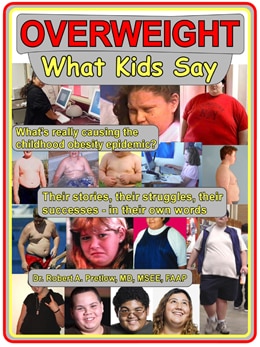
OVERWEIGHT: What Kids Say explores the obesity problem from the often-overlooked perspective of children struggling with being overweight.

About Dr. Robert A. Pretlow

Dr. Robert A. Pretlow is a pediatrician and childhood obesity specialist. He has been researching and spreading awareness on the childhood obesity epidemic in the US for more than a decade.
You can contact Dr. Pretlow at:

Presentations

Dr. Pretlow’s invited presentation at the American Society of Animal Science 2020 Conference
What’s Causing Obesity in Companion Animals and What Can We Do About It

Dr. Pretlow’s invited presentation at the World Obesity Federation 2019 Conference:
Food/Eating Addiction and the Displacement Mechanism

Dr. Pretlow’s Multi-Center Clinical Trial Kick-off Speech 2018:
Obesity: Tackling the Root Cause

Dr. Pretlow’s 2017 Workshop on
Treatment of Obesity Using the Addiction Model

Dr. Pretlow’s invited presentation for
TEC and UNC 2016

Dr. Pretlow’s invited presentation at the 2015 Obesity Summit in London, UK.

Dr. Pretlow’s invited keynote at the 2014 European Childhood Obesity Group Congress in Salzburg, Austria.

Dr. Pretlow’s presentation at the 2013 European Congress on Obesity in Liverpool, UK.

Dr. Pretlow’s presentation at the 2011 International Conference on Childhood Obesity in Lisbon, Portugal.

Dr. Pretlow’s presentation at the 2010 Uniting Against Childhood Obesity Conference in Houston, TX.

Food & Health Resources