Quite recently, Childhood Obesity News examined the phenomenon of breakfast cereals. Among 1,200 examples in this one product class, only a very small percentage of the choices — when judged by sugar content — are deemed acceptable, or even eligible for consideration, by a conscientious expert in any scientific discipline.
So, why do people buy the stuff? And in the wider field of all available groceries, why do they scarf down so many tons of dreck, festooned with ludicrous amounts of salt?
In the realm of total disregard for the human body’s actual needs, sugar, salt, and fat are the unholy trinity of devastation. By no means, however, do they represent the extent of the problem.
Food industry “engineers the confusion”
Dr. Josephine Connolly-Schoonen, a highly-placed medical professional with Stony Brook Medicine, defends the seemingly oblivious public by opining that “the food marketplace is very confusing, and that’s not by accident.” Others familiar with the situation might disagree. Even moderately concerned consumers with limited spare time to do research can easily learn which types of breakfast cereal contain elevated levels of bad stuff, and jot a little note to themselves titled “Don’t buy.”
As the wise old saying goes, it’s not rocket science. Considering the overall importance of vetting the stuff that kids eat every day, the price of self-education is not overwhelming. Information about sugar content in a particular brand of cereal is easily available and does not change with dizzying frequency like some other purported facts. In the vital knowledge department, this stuff is a pretty easy “set it and forget it” variety of data.
Your cereal journey
Reserve a morning to consult a source that has studied these queries for years, like Consumer Reports or JAMA Network. Choose several brands containing the least offensive kinds and amounts of crap, and limit your purchases to those. Trust us, your kindergarteners are not going to call an Uber and set off on a shopping trip. You are a grownup, a citizen, a parent, and totally in control of this situation to an extent probably not experienced in any other area of life. Learn to identify the bad stuff, and don’t buy it. Figure out the good stuff, and buy it.
Put on your grownup cloak of sophisticated discrimination and choose a brand, or several. Or skip the tacky breakfast chow and feed the kids eggs and fruit and stuff. Or get some plain, inoffensive cereal and experiment with harmless substances to put in it, or on it.
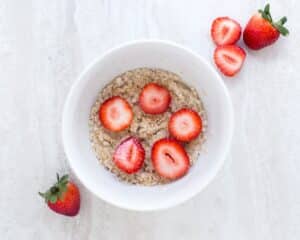
Pull your cold cereal game up a notch by raiding your fridge and pantry for creative toppings that add flavor, color, texture, and… dare we even hope? Some actual nutrition.
Handle this challenge not just because you are a thoughtful, considerate parent with no desire to aid and abet the obesity of your children. Step up and take care of the issue for the sake of your own mental health. In a place and time where we increasingly are made to feel powerless, grab hold of this seemingly modest yet incredibly effective opportunity to enjoy a meaningful amount of autonomy over a vitally important realm of existence.
Your responses and feedback are welcome!
Source: “American Breakfast Cereals Are Becoming Less Healthy, Study Finds,” NYTimes.com, 05/21/25
Source: “Nutritional Content of Ready-to-Eat Breakfast Cereals Marketed to Children,” JAMANetwork.com, 05/21/25
Source: “Best Breakfast Cereals From Consumer Reports’ Tests,” Consumer Reports, 01/17/22
Source: “Breakfast Cereal Hacks to Build a Better Bowl10/24/24,” MomsKitchenHandbook.com, 10/24/24
Image by Pexels/Pixabay
 FAQs and Media Requests: