How young is too young for GLP-1 meds? The use of GLP-1 weight-loss medications in children continues to expand, but a growing number of physicians are raising questions about whether these drugs should be prescribed to children younger than 12 years old.
Although medications such as Wegovy (semaglutide) are approved by the U.S. Food and Drug Administration (FDA) for treating obesity in adolescents ages 12 and older, some physicians are prescribing them off-label to younger children with severe obesity. The practice reflects the difficult choices doctors face as childhood obesity rates rise and obesity-related health complications appear at increasingly younger ages.
At the same time, many pediatric specialists caution that there is still too little research to understand the long-term effects of these medications on young children’s growth and development.
As has been established, GLP-1 receptor agonists, including Wegovy, help regulate appetite by slowing stomach emptying and increasing feelings of fullness, often leading to significant weight loss. For children under 12, however, these medications have not been approved by the FDA for obesity treatment. Physicians who prescribe them are doing so off-label, which is a legal and common medical practice in some circumstances when a doctor believes the potential benefits outweigh the risks.
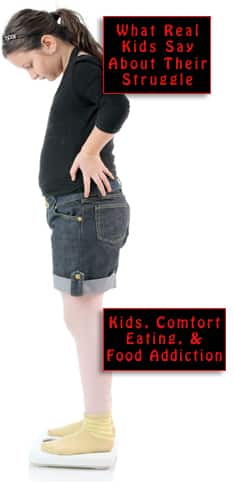
According to reporting by The Wall Street Journal, some pediatric obesity specialists say they are seeing severe obesity-related complications in children at increasingly younger ages. Conditions that were once considered adult diseases, including high blood pressure, elevated blood sugar, and fatty liver disease, are now appearing in children as young as four years old. Four! Just think about that.
Doctors who support earlier use of GLP-1 medications argue that traditional interventions often do not produce enough weight loss for children with severe obesity. While intensive nutrition counseling, physical activity programs, and behavioral therapy remain the foundation of treatment, many children continue to struggle despite these efforts. For some families, physicians believe medication may offer another tool to reduce health risks before permanent complications develop.
Despite the potential benefits, many experts urge caution. One of the biggest concerns is the lack of long-term research involving younger children. Scientists still do not fully understand how years of GLP-1 treatment might affect a child’s bone growth, brain development, nutritional status, and future weight regulation after stopping medication.
Because children are still growing physically and neurologically, specialists say more evidence is needed before these medications can be widely recommended for elementary school-aged patients. Some physicians also worry about whether children who stop taking the medications could rapidly regain weight, potentially creating additional health challenges later in life.
Current recommendations from the American Academy of Pediatrics (AAP) continue to emphasize intensive, family-based behavioral treatment as the first-line approach for childhood obesity. The AAP recommends intensive health behavior and lifestyle treatment for children six years and older with obesity.
Another recommendation is to consider weight-loss medications beginning at age 12, when appropriate, as an addition to lifestyle treatment. The organization does not currently recommend routine use of anti-obesity medications in children younger than 12 because there is insufficient evidence regarding safety and effectiveness in this age group.
Dr. Sarah Hampl, who chaired the development of the AAP’s obesity treatment guideline, has stated that more research is needed before these medications can be safely recommended for younger children. Although these medications are not yet approved for younger children, research continues.
Drug manufacturers, including Novo Nordisk, are conducting clinical trials evaluating medications such as Wegovy and Saxenda in children as young as six years old. These studies aim to determine whether the medications are both safe and effective in younger pediatric populations. The results could eventually influence future FDA approvals and pediatric treatment guidelines.
The debate highlights the difficult decisions physicians and families face when treating severe childhood obesity. On one hand, delaying effective treatment may allow obesity-related diseases to progress during critical developmental years. On the other hand, introducing medications before long-term safety is fully understood raises legitimate concerns about children’s growth, development, and lifelong health.
For now, experts generally agree that healthy nutrition, increased physical activity, behavioral support, and family involvement remain the cornerstone of pediatric obesity care. Whether GLP-1 medications will become a standard treatment for children under 12 will likely depend on the results of ongoing clinical research.
Your responses and feedback are welcome!
Source: “Wegovy and other GLP-1s are reaching kids,” NewsNation, 6/28/26
Source: “When Diets Don’t Work: Parents Turn to Wegovy for Elementary School Kids,” The Wall Street Journal, 6/22/26
Source: “Efficacy and Safety of GLP-1 RAs in Children and Adolescents With Obesity or Type 2 Diabetes: A Systematic Review and Meta-Analysis,” NIH.gov, 12/1/25
Image by Atlantic Ambience/Pexels
 FAQs and Media Requests: