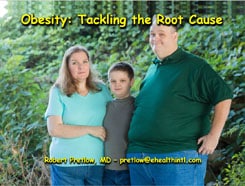
When discussing childhood obesity, most conversations focus on mothers’ health during pregnancy and early childhood. However, emerging research suggests that fathers may have a significant influence on a child’s future weight and metabolic health long before conception even occurs.
A recent review published in Current Obesity Reports highlights the growing evidence that fathers contribute to obesity risk across generations through biological, behavioral, and environmental factors. The findings suggest that efforts to prevent childhood obesity may be more effective when both parents, not just mothers, are included in research, education, and intervention programs.
Research has consistently shown that children are more likely to develop obesity if one or both parents are affected. The risk becomes even greater when both parents have obesity. While genetics play a role, scientists now recognize that obesity is influenced by a complex combination of inherited traits, lifestyle habits, family behaviors, and environmental factors.
How do fathers influence health before conception?
Traditionally, scientists have focused on how maternal health affects a developing baby. The concept known as the Developmental Origins of Health and Disease (DOHaD) emphasizes that conditions around conception and pregnancy can shape a child’s lifelong health.
More recently, researchers have expanded this framework to include fathers through the Paternal Origins of Health and Disease (POHaD) model. This approach recognizes that a father’s health before conception may also affect a child’s future risk of obesity and metabolic disease.
According to the review, paternal obesity can influence offspring health through changes in sperm quality and function. Excess body weight in men has been linked to lower sperm concentration, reduced sperm movement, and increased DNA damage within sperm cells. These changes are thought to result from obesity-related disruptions in hormone regulation, inflammation, and metabolic function.
Researchers estimate that men with obesity face a 30% to 66% greater risk of infertility compared to men of healthier weight. Obesity has also been associated with an increased risk of pregnancy loss that cannot be explained by maternal factors alone.
Epigenetics may help explain the connection
Beyond genetics, researchers are investigating how epigenetic changes may influence obesity risk across generations. Epigenetics refers to modifications that affect how genes are expressed without altering the underlying DNA sequence. Obesity has been linked to changes in the epigenetic markers, and some of these alterations may be passed to future offspring.
Scientists believe these changes could affect biological pathways involved in appetite control, insulin function, and fat storage. Animal studies have shown that fathers consuming high-fat diets can pass obesity-related metabolic changes to their offspring.
While researchers are still working to fully understand these mechanisms in humans, one encouraging finding is that some obesity-related epigenetic changes appear to be reversible. Improvements in diet, exercise, and overall health before conception may help reduce potential risks.
Fathers also shape family health habits
A father’s influence extends well beyond biology. Research shows that fatherhood often brings changes in weight and lifestyle habits, and poor dietary habits may negatively affect reproductive health.
After a child is born, fathers continue to influence obesity risk through everyday behaviors and parenting practices. Children frequently model the habits they observe at home. Fathers who prioritize nutritious meals, regular exercise, and active lifestyles can help establish healthy routines for their children. Likewise, fathers who spend more time being sedentary or consuming unhealthy foods may unintentionally reinforce similar behaviors.
Environment and neighborhood matter too
The review emphasizes that obesity risk is not solely determined by individual choices. Social and environmental factors can strongly influence health outcomes for both fathers and children.
Income, education, neighborhood conditions, and food access all affect obesity risk. Families living in areas with limited access to affordable, nutritious foods may rely more heavily on calorie-dense processed foods. Food insecurity has been linked to higher obesity rates in both adults and children.
Access to safe parks, playgrounds, and recreational spaces can also influence physical activity levels. When opportunities for exercise are limited, sedentary behavior often increases.
… As does mental health
The review notes that fathers experiencing depression may be less likely to engage in positive parenting behaviors or prioritize preventive healthcare for themselves and their families. This can affect household routines related to nutrition, sleep, and physical activity.
Children who grow up in homes where a parent struggles with depression may also face a greater risk of adverse childhood experiences, which have been associated with long-term health challenges, including obesity.
Finally, the findings suggest that childhood obesity prevention should begin earlier than many people realize and should involve fathers from the start. This means including fathers in preconception counseling, pregnancy education programs, and family-based obesity prevention efforts.
Your responses and feedback are welcome!
Source: “Fathers shape childhood obesity risk long before birth,” News-Medical.net, 6/9/26
Source: “The Role of Fathers in the Intergenerational Transmission of Obesity,” Current Obesity Reports, 5/26/26
Image by Towfiqu barbhuiya/Pexels
 FAQs and Media Requests: