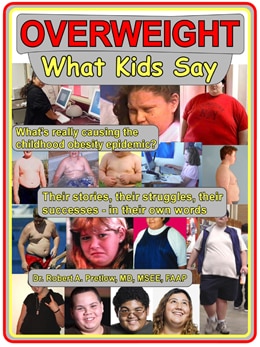
This is a continuation of “Unacceptable Obesity Costs Suspected.” About a decade ago, medical specialists and public health authorities were noticing more and more suspicious correlations between a substance known as bisphenol A (BPA) and various undesirable effects on humans. Chiefly, BPA seemed to be causing childhood obesity, and in some quarters, great interest was generated in the notion of discontinuing its use in products that might ever introduce the stuff into the bodies of children, orally or via any other route.
At the same time, concern grew about the costs that the use of this industrial chemical exacted from society in terms of both human suffering and financial impact. A ton of money was being spent to repair the ravages of BPA on kids, and on young people and adults who had encountered it in early life. Of course, it didn’t do adults any good either, even if, as children, they had managed to escape it.
Neither the first warning nor the last
Late in 2016, amid a climate of escalating suspicion, The Lancet published a report that brought up in no uncertain terms the price tag, in actual money, for tolerating BPA. By then, research had determined that the cost of disease and dysfunction caused by endocrine-disrupting chemicals, familiarly known as EDCs, amounted to more than 1% of the European Union’s annual gross domestic product, familiarly known as its GDP. (In American dollars, this amounted to the equivalent of around $217 billion.)
According to the report,
Exposure to EDCs varies widely between the USA and Europe because of differences in regulations and, therefore, we aimed to quantify disease burdens and related economic costs to allow comparison… Estimates were made based on population and costs in the USA in 2010. Costs for the European Union were converted to US$ (€1=$1·33).
In the United States, the costs accruing to EDCs were calculated to be around 2.33% of the gross domestic product, or around $340 billion. Experts utilized studies from the fields of epidemiology and toxicology to reckon the “probabilities of causation for 15 exposure–response relations between substances and disorders.” The scientists also had much to say about American societal expenses. They determined that…
The difference was driven mainly by intelligence quotient (IQ) points loss and intellectual disability due to polybrominated diphenyl ethers (11 million IQ points lost and 43,000 cases costing $266 billion in the USA vs 873,000 IQ points lost and 3290 cases costing $12.6 billion in the European Union).
The pesticides containing the dangerous chemicals were much more responsible in Europe, implying a need for improved screening there, for “chemical disruption to endocrine systems and proactive prevention.” The known effects of these chemicals on various body systems were already quite concerning, but the discoveries about their ability to wipe out IQ points definitely suggested a need for more awareness in that department. In 2018, PubMed had this to say about a small study:
This is the first study reporting the presence of bisphenols in two distinct regions of the human brain. Bisphenols accumulation in the white matter-enriched brain tissue could signify that they are able to cross the blood-brain barrier.
More recent publications
Another report (among many) supported the idea that exposure to BPA analogues is strongly connected with not only obesity, but also other undesirable health effects, especially in children. Then another one caused a stir by confirming that…
[…] endocrine-disrupting chemicals negatively affect a wide range of systems throughout the human body and have consequences at every life stage.
By now, professionals interested in this question were accustomed to hearing BPA and its relatives described as “forever chemicals,” meaning that once present in the body, they refuse to leave. The chemicals were deemed responsible not only for obesity but also for diabetes and reproductive disorders in both sexes.
On the policy front, the good news was that some substances had been banned; the bad news was that equally harmful chemicals were recruited to take their places. In no sane vocabulary could this be defined as progress.
Two years ago, a Spanish study of 106 children between ages 5 and 10, about half each of girls and boys, indicated that BPA “impacts the gut microbiome of children differently, with normal-weight children showing greater bacterial diversity compared to those who are overweight or obese.” In other words, this endocrine disruptor affects the gut microbiome adversely, leading to a variety of undesirable results.
Yet, the situation is very complicated, with many unclear connections and relationships among various factors. Still, enough is known to create certainty that this chemical and others like it should ideally be kept out of the body altogether — especially in the case of children and even more particularly where babies are concerned.
Your responses and feedback are welcome!
Source: “Exposure to endocrine-disrupting chemicals in the USA: a population-based disease burden and cost analysis,” TheLancet.com, December 2016
Source: “Possible Obesogenic Effects of Bisphenols Accumulation in the Human Brain,” Ncbi.nlm.nih.gov, 05/29/18
Source: “Bisphenol A Analogues in Food and Their Hormonal and Obesogenic Effects: A Review,” Ncbi.nlm.nih.gov, 09/06/19
Source: “Common Plastic Chemical Linked to Increased Childhood Obesity Risks,” SciTechDaily.com, 03/09/24
Images by Kalle_89 and OpenClipart-Vectors/Pixabay
 FAQs and Media Requests: