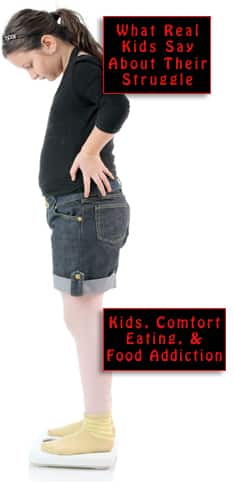
Anyone whose idea of a good time is to catalog the cost (to the individual and to society as a whole) of obesity will never run out of opportunities for that sort of fun. By the time you are done looking at one aspect, another facet of the overall emergency that you just summed up a few months ago will be ripe for reevaluation and rife with news that is — surprise! — mostly discouraging.
There is, on the part of society as a whole, an attitude problem that manifests in public places. It’s as if certain folks believe they have been designated as Overweight Awareness Monitors. At a fraught moment in the past, this individual was mystically appointed (or anointed) by some unseen power to
1. Be aware of the body weight of everyone they encounter
2. Fulfill the duty of making that person aware of their disapproving reaction
Types of monitors
Some monitors operate from an advanced level of intellectual awareness. The information they really want to convey (“You are too fat”) might be snuck into conversation disguised as concern about the SNAP program, which is unable to feed as many people as need feeding. The Overweight Awareness Monitor who operates from this sophisticated level will do something like point out a news article stating that in the USA, 40% of adults and 21% of children are obese. Making a connection between those informational items is somehow more important than the undernourished kids.
For instance, the O.A. Monitor might mention that while it is sad that children go hungry, an annual study showed disturbing facts — like one quoted in 2023 regarding how almost a quarter of SNAP funds were being spent on “sugary drinks, desserts, salty snacks, candy, and sugar.”
To be fair, at the time, the U.S. Department of Agriculture’s advisory Food Pyramid, which is supposed to be a desirable example, “featured six to 11 servings of bread, cereal, rice, and pasta, but just a small two to three servings of meat, fish, beans, eggs, and nuts.” So maybe the blame should have been spread around a bit.
At any rate, starting this year, several states have made a whole slew of rules about what can and cannot be purchased with these funds. Then every once in a while, the zealous O.A. Monitor is lucky enough to grab onto a really alarming headline, like one containing the words “trillion dollar disease” that graced a Global Pediatrics article a couple of years back. That piece of journalism included the words “very expensive morbidity,” and the fact that it is often paired with malnutrition not only among the same populations but within the same individuals, and the dire statistical warning that “up to 82% of obese adolescents become obese adults.”
Advanced level monitors
The dedicated O.A. Monitor enjoys sharing such facts with people whose waistlines are expanding, and also gets a kick out of bringing parents of teenagers up to date with the latest information on adolescent obesity trends. A major 2024 report from WHO/Europe revealed “alarming disparities” in the health of teens from 44 surveyed countries. Fewer than half of them ate fruits or vegetables daily, while one in four self-reported “daily consumption of sweets or chocolate.” While boys counted for a lot of the statistics, girls seemed absolutely devoted to devouring more sugary foods and soft drinks than boys.
The examples of literature to draw from are multitudinous, and passing along such sad information is one of the ways that obesity-shaming busybodies have of reminding friends, relatives, and associates that their burgeoning waistlines are being noticed.
Your responses and feedback are welcome!
Source: “The Hidden Cost of Our Huge Problem with Obesity,” CATO.org, 07/03/23
Source: “Food Stamps Will Stop Covering Soda, Chips and Candy in 18 States by 2026,” WhenInYourState.com, 12/13/25
Source: “Obesity a triple pandemic, the trillion dollar disease: Prevention is imperative,” Global Pediatrics, March 2024
Image by poli_/Pixabay
 FAQs and Media Requests: