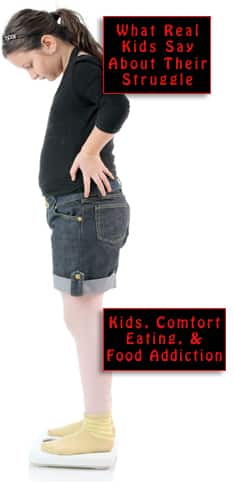
For generations, the idea of the American Dream has rested on a simple promise: Every child has the opportunity to build a better life than their parents. But emerging research from Rutgers suggests that a growing health crisis of childhood obesity may be quietly undermining that promise in ways that extend far beyond physical well-being.
Childhood obesity has long been associated with increased risks of chronic conditions like diabetes, heart disease, and mental health challenges. Now, a new study published in the Journal of Population Economics reveals that its impact may also stretch into lifetime earnings and financial mobility.
According to the research, children who experience obesity are significantly less likely to climb the economic ladder as adults. In fact, their income ranking can fall about 20 percentile points below that of their parents, compared to peers who maintained a healthy weight in childhood.
As study co-author Dr. Yanhong Jin explains,
Childhood obesity isn’t just a health crisis — it is an economic mobility crisis.
The study draws on data from the National Longitudinal Study of Adolescent to Adult Health, a large-scale, long-running dataset that has tracked more than 20,000 Americans from adolescence into adulthood over several decades. This rich dataset allowed researchers to examine not only health outcomes, but also education, income, and even genetic factors tied to body weight.
By incorporating genetic data, the researchers were able to isolate the effects of obesity itself, separate from influences such as family income or neighborhood environment. The findings were striking: Even when controlling for these factors, childhood obesity remained strongly linked to lower economic mobility.
The study highlights several key reasons why children with obesity may face economic disadvantages later in life. One is lower educational attainment. Children with obesity may encounter barriers in school, from absenteeism to social stigma, which can impact academic success.
Then there are ongoing health challenges. Chronic health conditions can limit productivity, career choices, and long-term earning potential. Also, think about the workplace disadvantages. Adults who were obese as children reported higher levels of job discrimination and were more likely to end up in lower-paying occupations.
Together, these factors create a compounding effect that can make it harder to achieve upward mobility.
Where you grow up also matters. The research also found that individuals who experienced childhood obesity were less likely to live in economically thriving neighborhoods as adults. They were more likely to reside in areas with lower average incomes and higher poverty rates, further limiting access to opportunity.
Interestingly, the economic impact of childhood obesity was not evenly distributed. Girls experienced a larger economic penalty than boys. Not surprisingly, children from low-income families were more affected. And those raised in the South and Midwest faced stronger long-term impacts. These disparities suggest that childhood obesity may amplify existing inequalities, making it even harder for vulnerable populations to break cycles of poverty.
Traditionally, efforts to address obesity have focused on treatment, helping people lose weight after the condition develops. But this research points to the importance of early prevention.
Intervening during childhood — before obesity takes hold — could yield benefits that go far beyond improved health. It may also enhance educational outcomes, expand career opportunities, and increase the likelihood of upward mobility.
As co-author Man Zhang notes, tackling childhood obesity isn’t just about reducing healthcare costs. It’s about investing in the future economic potential of the next generation.
This study challenges us to think differently about childhood obesity. It is not only a medical issue or a lifestyle concern — it is also a social and economic one.
As science writer and researcher Sanjana Gajbhiye writes for Earth.com,
Preventing obesity early can improve both health and future opportunities. It can support better education, stronger careers, and higher income levels.
Protecting the promise of the American Dream may require expanding how we view public health challenges and recognizing that the well-being of children today is deeply connected to the economic vitality of tomorrow.
Your responses and feedback are welcome!
Source: “Childhood Obesity Makes It Harder to Climb the Economic Ladder, Study Finds,” Rutgers.edu, 3/18/26
Source: “Childhood obesity may lower a child’s chances of moving up in life,” Earth.com, 3/19/26
Image by Towfiqu barbhuiya/Pexels
 FAQs and Media Requests: